


 1
1
Marigolds Were Already the Ultimate Summer Flower – But It Turns Out They Have a Surprising Superpower
 2
2
How to Protect Homegrown Vegetables From Cyclospora – 6 Simple Steps for Safer Harvests
 3
3
July Is When Compost Piles Tend to Stop Working – Here's How to Get Yours Going Again
Some gardeners online say this common breakfast item deserves a place in your garden as well as your fridge. But our plant experts say otherwise.
Published
23 July 2026
In Features
When you purchase through links on our site, we may earn an affiliate commission. Here’s how it works.
(Image credit: Anna Cinaroglu / Getty Images)
Jump to category:
- Why Gardeners Are Using Yogurt
- Does Yogurt Really Work?
- Best Type of Yogurt to Use
- How to Make Yogurt Tomato Fertilizer
- How Often to Apply
- Mistakes To Avoid
- Signs to Stop Using Yogurt
- What to Use Instead
Share
Share this article
Join the conversation
Add us as a preferred source on Google
Newsletter
Subscribe to our newsletter
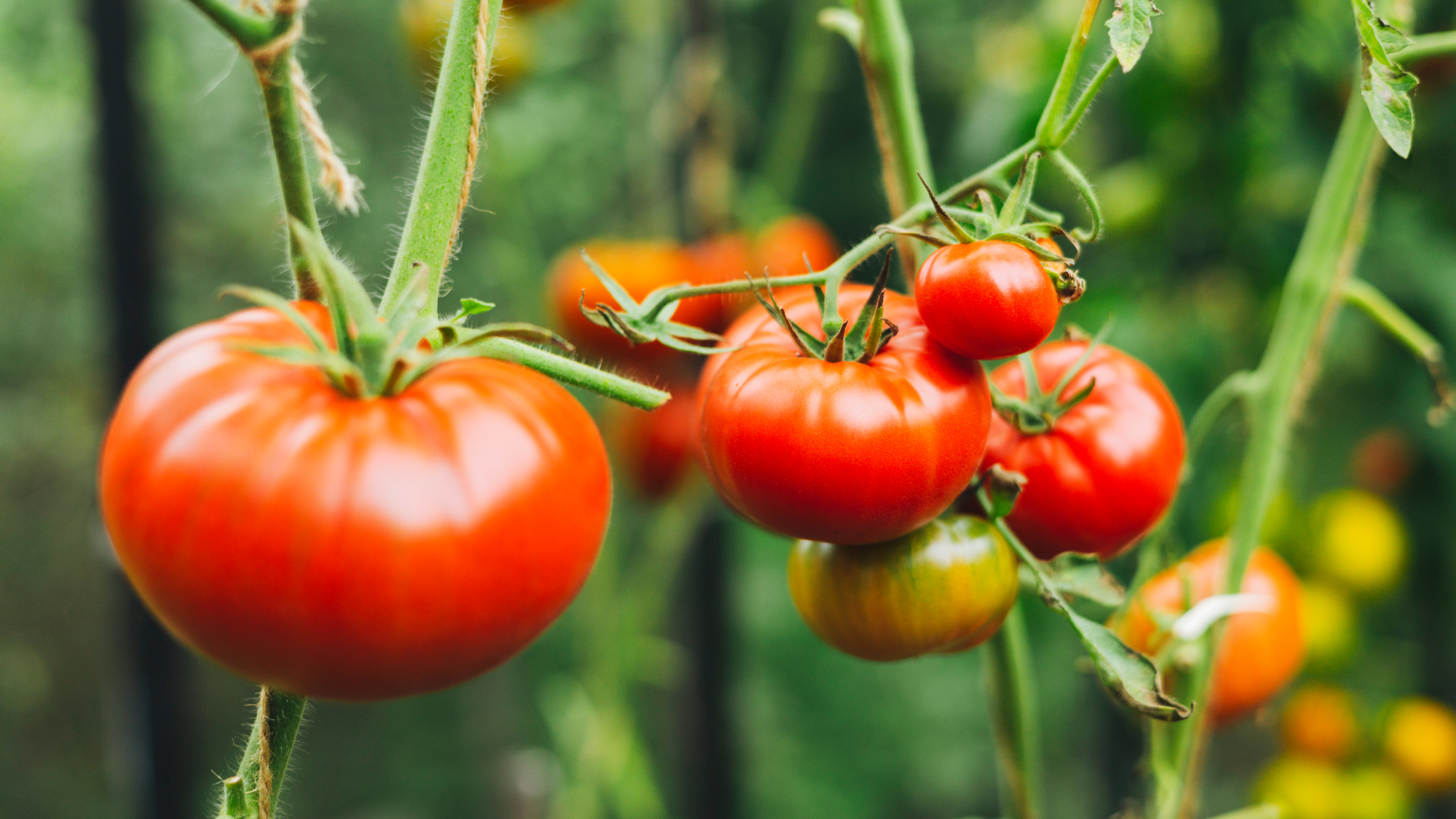
That tub of yogurt at the back of your fridge may have a second life in your garden, according to a surprising bit of advice making the rounds online. Yogurt does hold calcium and protein, which are two important nutrients tomatoes need to thrive. Though whether a tomato plant can use any of it is a separate question.
The claim that a spoonful of yogurt plopped into your watering can boost tomato growth turns up regularly in gardening forums, usually framed as a good calcium source for tomatoes. The logic runs that dairy is rich in calcium – and tomatoes often suffer from calcium problems – so giving plants a dose of dairy fertilizer can provide plants with what they need. But this theory isn't exactly accurate.
But yogurt isn't exactly useless in the garden. Use it alongside a proper tomato fertilizer and it could potentially give plants a little extra oomph. I'll walk you through the truth behind the claim that yogurt is a good fertilizer for tomatoes, how to try it out for yourself, and some precautions to take before using yogurt in your garden.
Calcium is the main claim behind using yogurt as a tomato fertilizer. Blossom end rot ruins fruit every summer and a lack of calcium is often named as the culprit, so a tub of yogurt in the fridge is perhaps the nearest source on hand. Plain yogurt carries a fair amount of calcium by food standards, which makes the connection feel obvious.
The rest of the appeal spreads wider than just that one mineral, though. Yogurt is also a good source of protein and protein means nitrogen for plants.
 Should You Use Baking Soda to Grow Sweeter Tomatoes? The Truth Behind This Viral Gardening Trend
 Why Fertilizer Is Suddenly So Expensive – and How Gardeners Are Feeding Plants for Less
 If Your Tomato Leaves Are Turning Yellow in June, These 3 Common Problems Could Be the Cause – Here’s How to Fix Them Fast
Lactose is a sugar that soil microbes will eat readily, which can improve soil. Then there are the live cultures in yogurt, mainly Lactobacillus delbrueckii subsp. bulgaricus and Streptococcus thermophilus, which fit the popular notion of feeding soil biology as well. The tub was headed for the bin regardless.
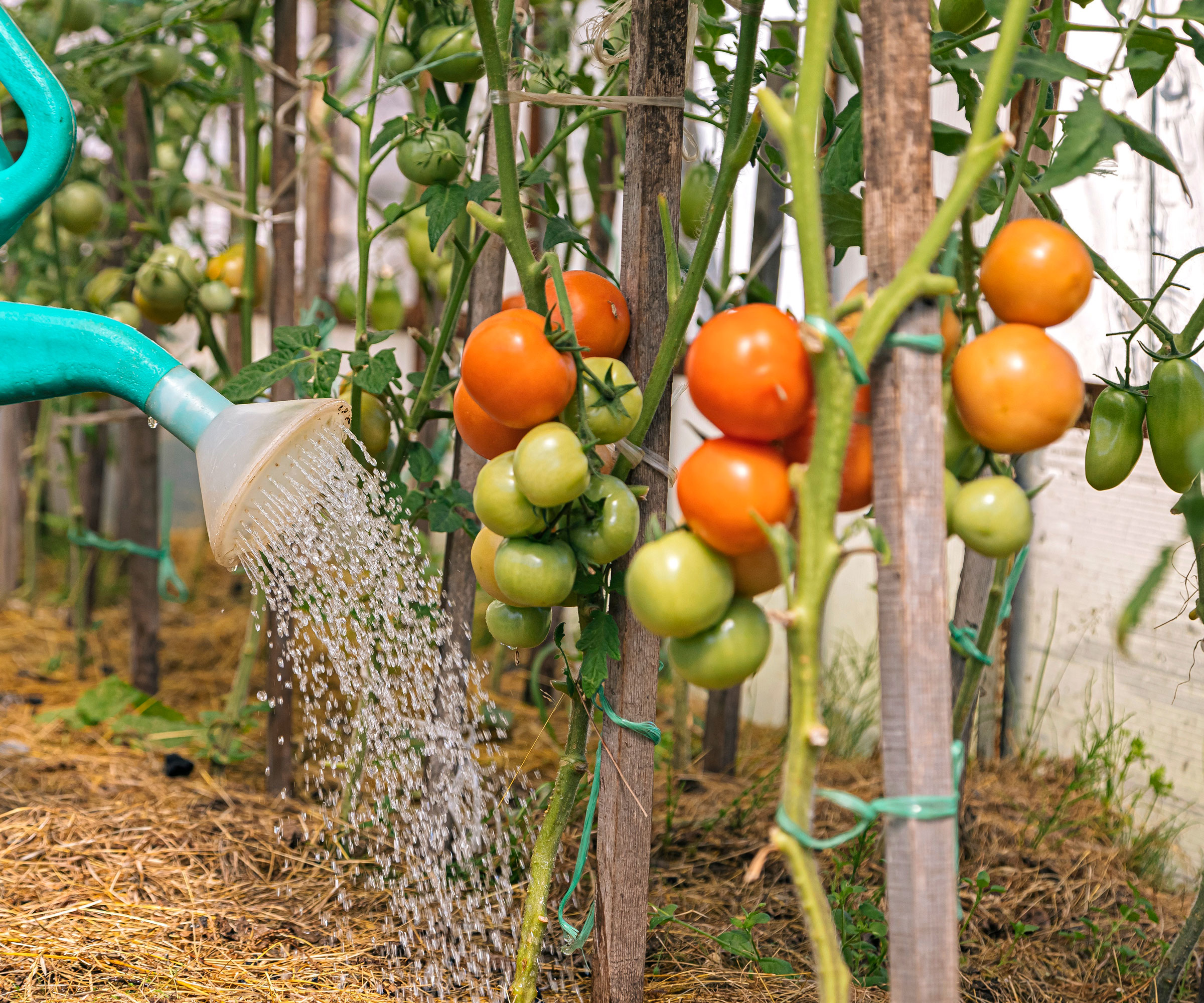
The case for yogurt as a calcium source for tomatoes falls apart once you really look at the numbers. A tablespoon (15 ml) of yogurt carries roughly 20 milligrams of calcium. A tomato in full fruit moves vastly more than that throughout a single season and the soil in which it grows is almost certainly holds a surplus already. So a spoonful of yogurt fertilizer doesn't make much of an impact.
Sign up for the Gardening Know How newsletter today and receive a free copy of our e-book "How to Grow Delicious Tomatoes".
Arithmetic isn't the real trouble, though. Calcium in dairy arrives bound to casein, which means soil microbes have to dismantle it before roots can reach any useful nutrients. Warmth and time do that work on their own timetable. Nobody decides when the nutrient turns up or whether it does so while the plant still needs it.
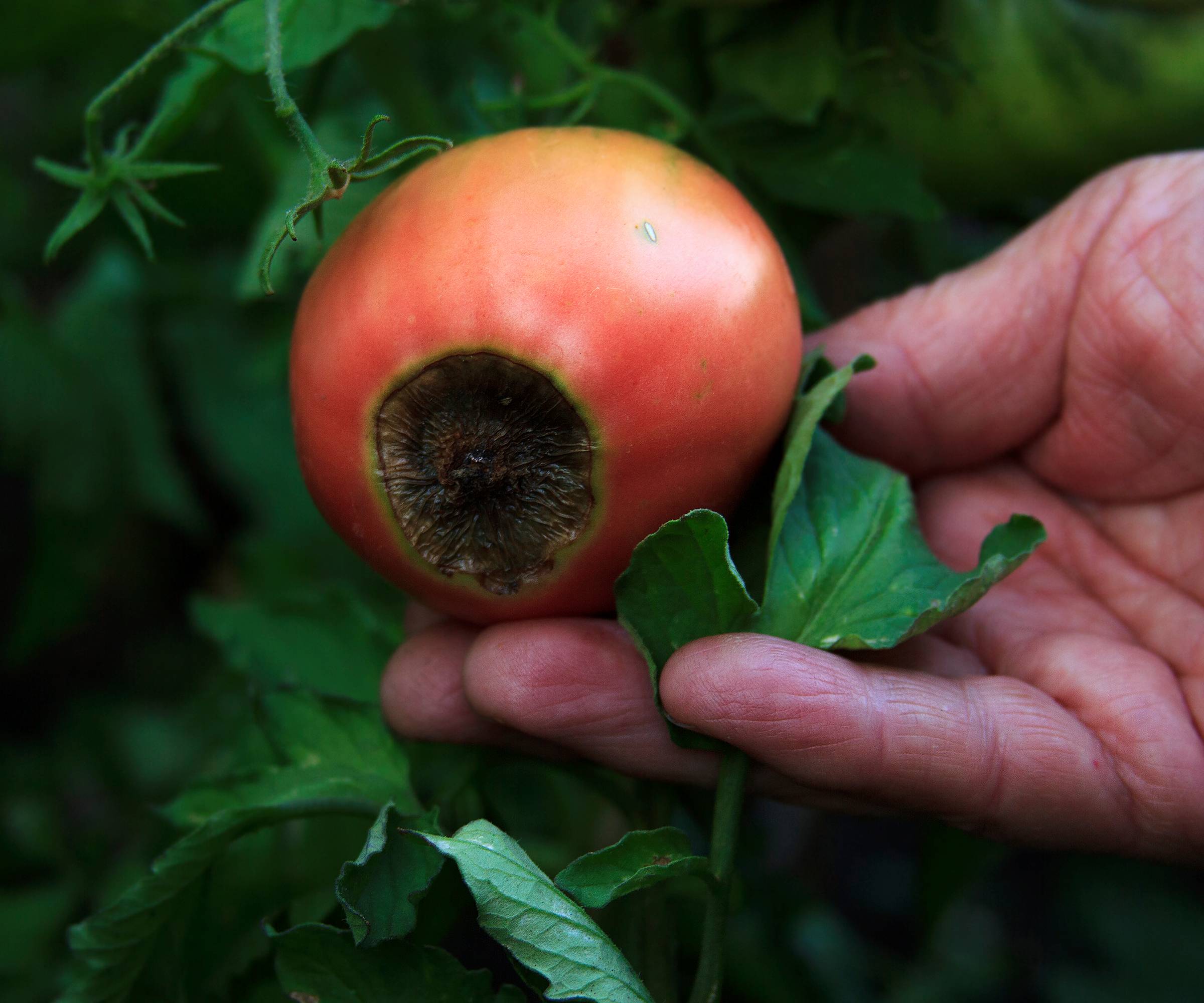
Blossom end rot is rarely a result of a shortage of calcium in the first place. It's more often a delivery failure. Uneven watering of tomato plants interrupts calcium moving into developing fruit, creating blossom end rot. Yogurt doesn't address the mechanism blocking the calcium, it only addresses the nutrient itself.
If you still want to try out this homemade tomato fertilizer anyways, choosing the right yogurt is key. Plain yogurt is the only version that belongs near a garden bed. Nothing else on the dairy aisle qualifies. A tub of yogurt is cheap and choosing nonfat leaves less greasy residue behind than the full fat stuff. Fruit, honey, added sugar – none of it should reach the garden.
 Plant Fertilizer 101: Kick Your Garden into the Next Gear with the Right Nutrients at the Right Time
 Do Your Tomato Seedlings Have Yellow Leaves? These 5 Common Mistakes Could Be the Cause, But Here’s How to Fix Them
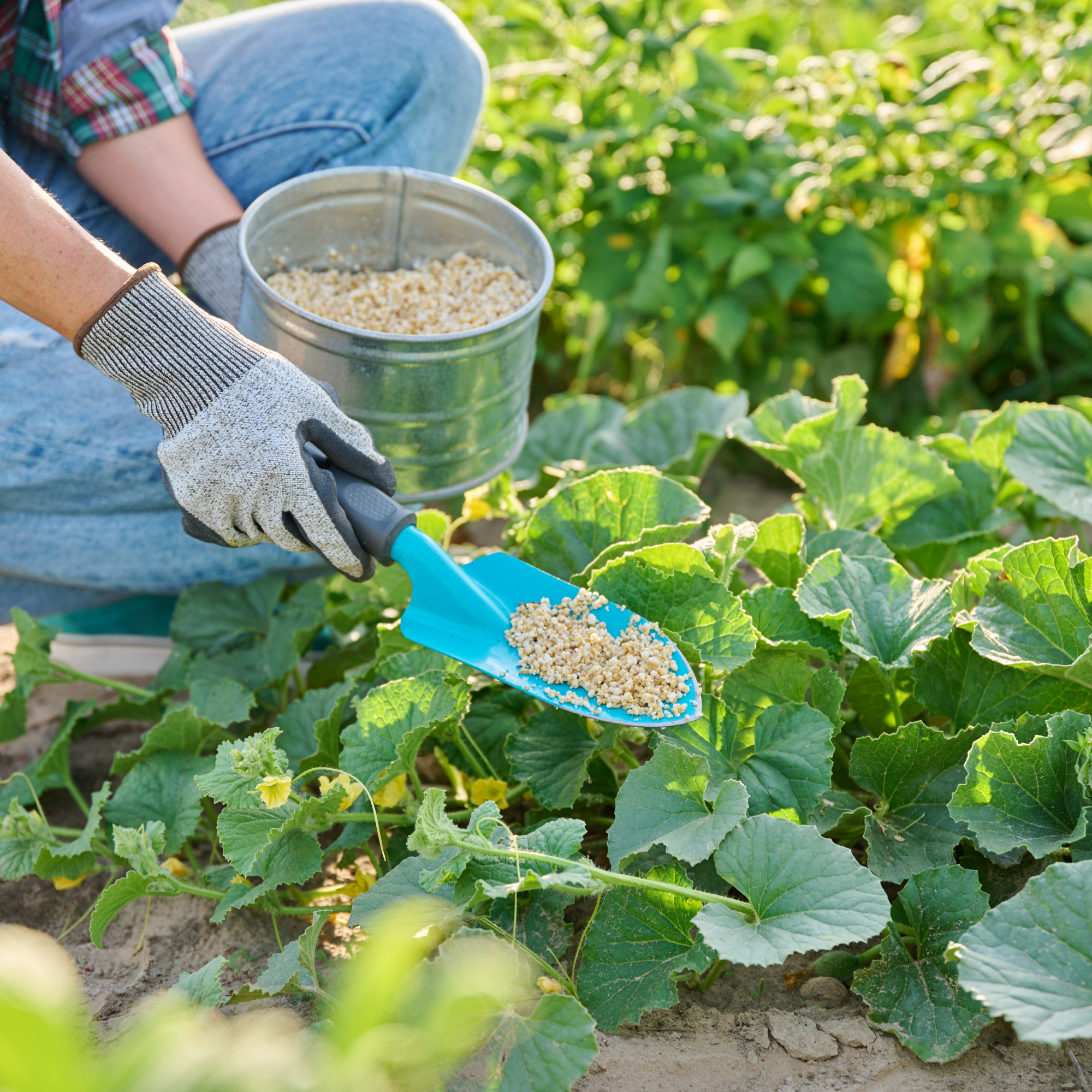 This Is the Best Time to Fertilize Your Vegetable Garden for a Bigger Harvest – and the 1 Time You Should Never Feed Plants
Artificial sweeteners are the other thing to skip, since they bring nothing to the soil and nobody can say how the residues behave in a garden bed. Sugar-loaded yogurt causes a quicker problem, drawing ants, wasps, and rodents to the base of the plant. Flavored tubs also carry stabilizers nobody should pour on a garden.
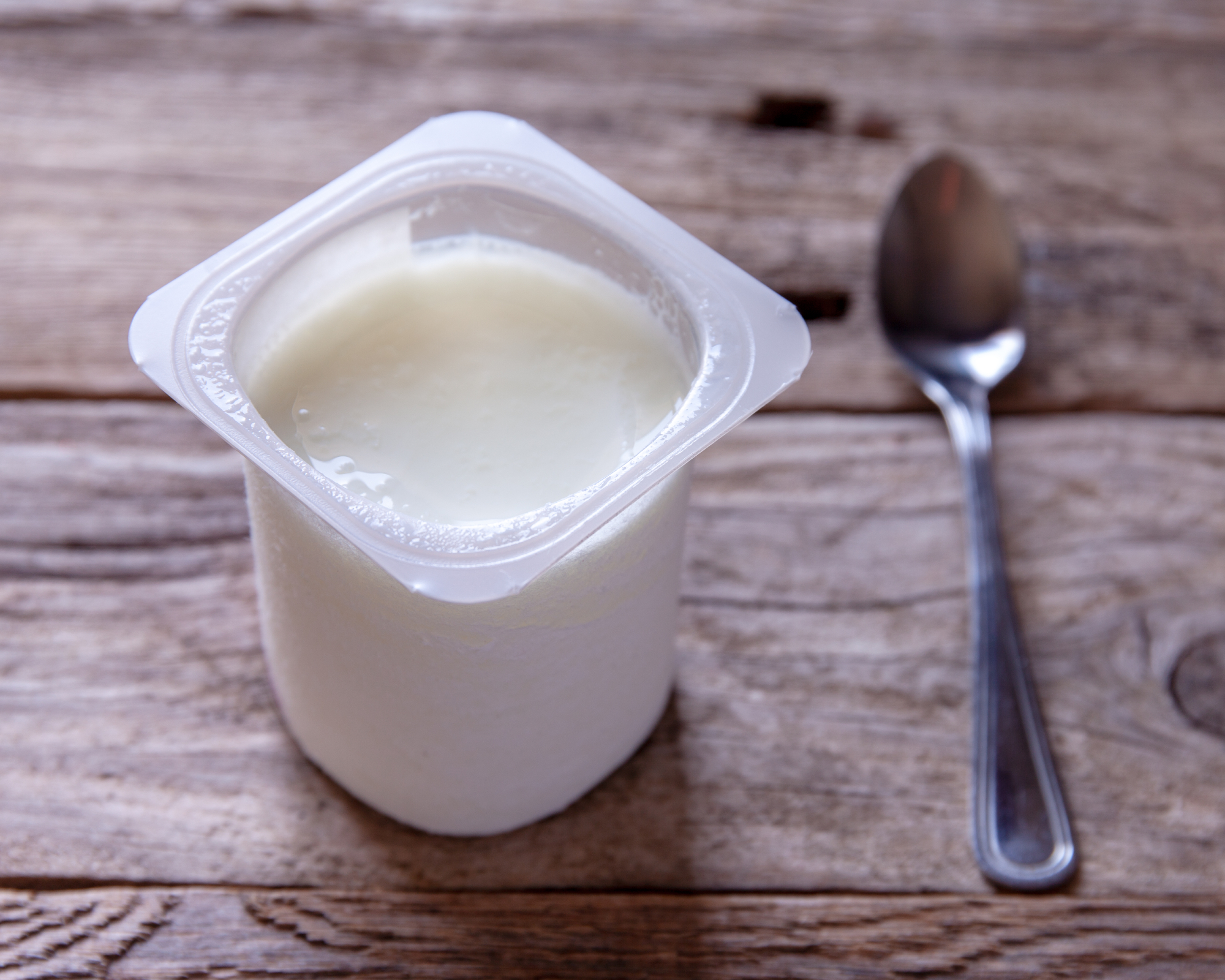
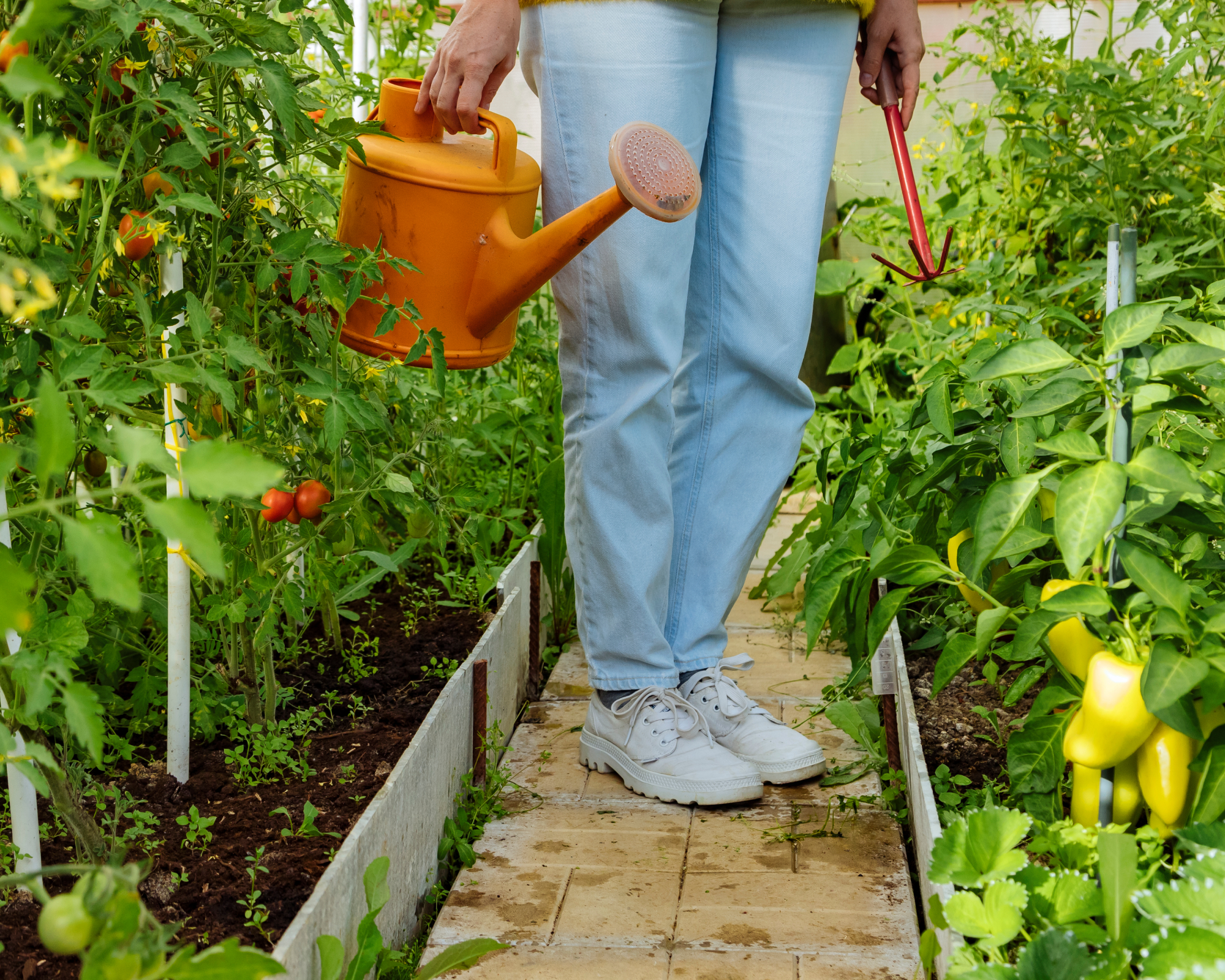
Dilution does the safety work for yogurt tomato fertilizer. One tablespoon (15 ml) of plain yogurt stirred into a full 2 gallon (9 L) watering can is the strongest dose you should use. Stir it well so nothing settles into a lump, then pour slowly around the drip line of your tomatoes, roughly 6 to 8 inches (15-20 cm) from the stem.
Follow with a can of plain water to carry the yogurt fertilizer below the soil surface, since dairy left sitting on top can cause problems. Keep every drop off the foliage as well. Damp residue on leaves in warm weather invites fungal tomato diseases far harder to fix than any nutrient shortage.
Applying yogurt tomato fertilizer once a month through the growing season is plenty and, often, less is fine. This belongs with small experiments rather than scheduled feeding, so there's little to gain from building a routine around it.
Anyone curious can run it properly. Treat one plant with the diluted mix, leave a matching plant untreated beside it and compare at season's end. That beats the anecdotes floating around online and it costs a single tub of yogurt.
What you should never do is replace a scheduled feed of traditional tomato fertilizer with only yogurt. A plant that doesn't receive real fertilizer and only yogurt just isn't being fed properly.
Dolloping on a dose of yogurt fertilizer undiluted is a big problem for tomato plants. A blob of dairy on warm soil goes sour and draws flies. It can also set into a crust that sheds water instead of letting it through. Container plants suffer worst, since a pot holds little soil and none of the microbial diversity a bed uses to process organic matter.
Instead, if the goal is feeding the soil, a bag of Back to the Roots organic compost from Home Depot does that job properly.
Repeat applications of yogurt tomato fertilizer are the other trap. Residue accumulates and a spot treated over and over starts to smell bad and stays damp.
A sour smell around the base of the plant means the residue is fermenting instead of breaking down cleanly. White or fuzzy growth across the soil surface signals the same issue. Scrape off what you can and flush the area with plain water.
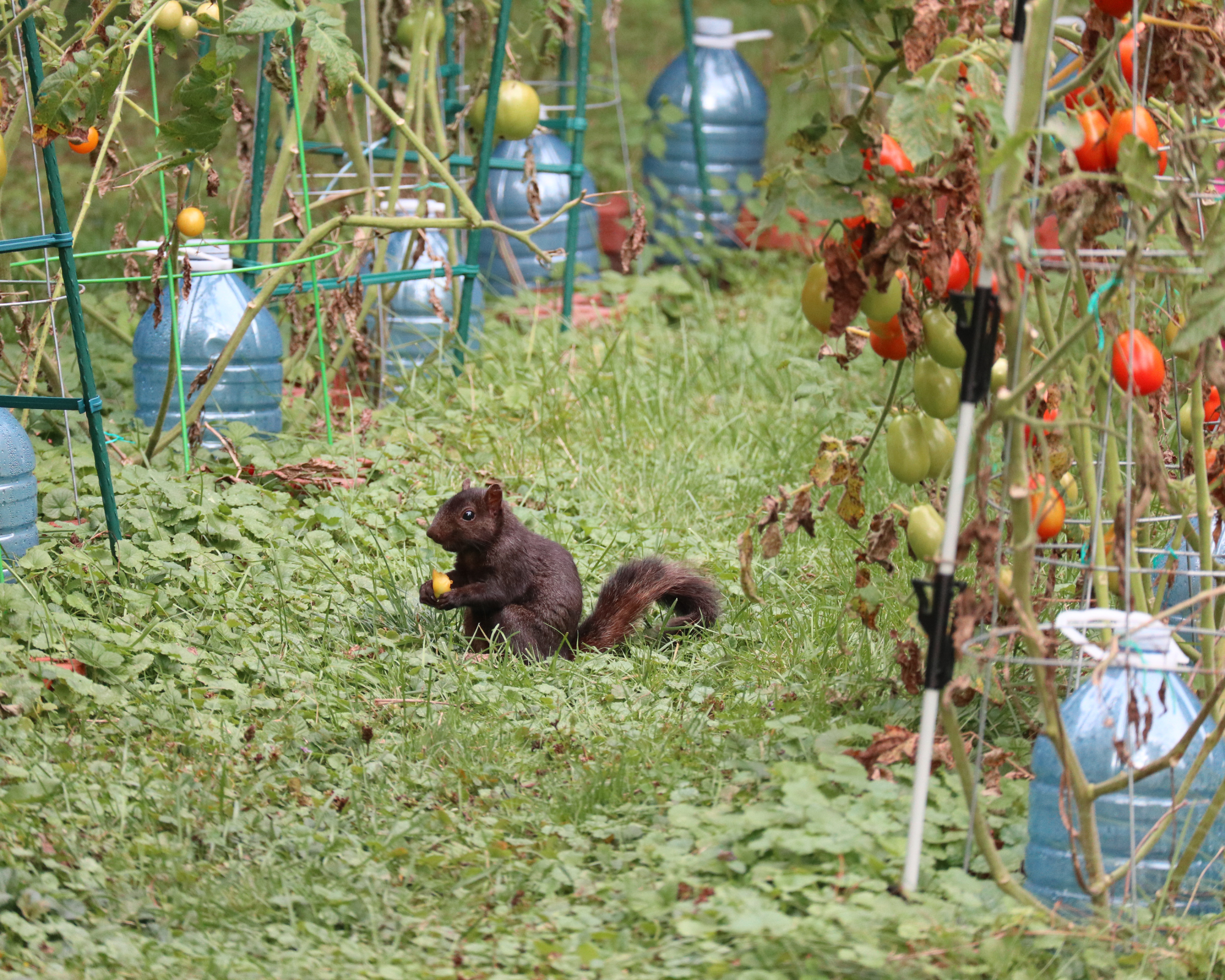
Insects and animals can cause problems, too. Fungus gnats drifting around the stem are a sign something's wrong, but fruit flies more so. Soil turned over at night by raccoons or rats is the surest signal, since something has found the smell interesting. And a plant that looks worse than before the experiment started has already answered the question.
Fruiting tomatoes want steady nitrogen, phosphorus, and potassium, with an emphasis on the last two once flowering starts. Plants also need calcium and magnesium in amounts no kitchen leftover supplies. Espoma Tomato-tone 3-4-6 with 8% calcium from Amazon covers all a tomato needs in one product and yogurt simply can't compete.
Watering does more for blossom end rot than any additive from your fridge. Deep, even soakings in a steady rhythm with a few inches of mulch to hold in the moisture keep calcium moving into the fruit. All in all, save the yogurt for your breakfast. Invest in a good organic commercial tomato fertilizer or homemade compost instead.
Tyler\u2019s passion began with indoor gardening and deepened as he studied plant-fungi interactions in controlled settings. With a microbiology background focused on fungi, he\u2019s spent over a decade solving tough and intricate gardening problems. After spinal injuries and brain surgery, Tyler\u2019s approach to gardening changed. It became less about the hobby and more about recovery and adapting to physical limits. His growing success shows that disability doesn\u2019t have to stop you from your goals.<\/p>","collapsible":{"enabled":true,"maxHeight":250,"readMoreText":"Read more","readLessText":"Read less"}}), "https://slice.vanilla.futurecdn.net/13-4-25/js/authorBio.js"); } else { console.error('%c FTE ','background: #9306F9; color: #ffffff','no lazy slice hydration function available'); }
Tyler SchusterContributing Writer
Tyler’s passion began with indoor gardening and deepened as he studied plant-fungi interactions in controlled settings. With a microbiology background focused on fungi, he’s spent over a decade solving tough and intricate gardening problems. After spinal injuries and brain surgery, Tyler’s approach to gardening changed. It became less about the hobby and more about recovery and adapting to physical limits. His growing success shows that disability doesn’t have to stop you from your goals.















Comments
0 comment