


Truck-Kun: Supporting Me from Another World is a lot.
When you purchase through links on our site, we may earn an affiliate commission. Here’s how it works.
(Image credit: Strange Scaffold)
Share this article
Join the conversation
Add us as a preferred source on Google
Newsletter
Subscribe to our newsletter
At a time when game development takes years – a whopping 13 years between GTA 6 and its predecessor, for example – there's something quite remarkable about Strange Scaffold, an indie developer that has shipped 18 games between 2019 and now, each one distinct from the other in style and scope. Its latest, Truck-Kun is Supporting Me from Another World, is especially bizarre; if you can gather from its lengthy title, it's inspired by anime and one of its fondest genres.
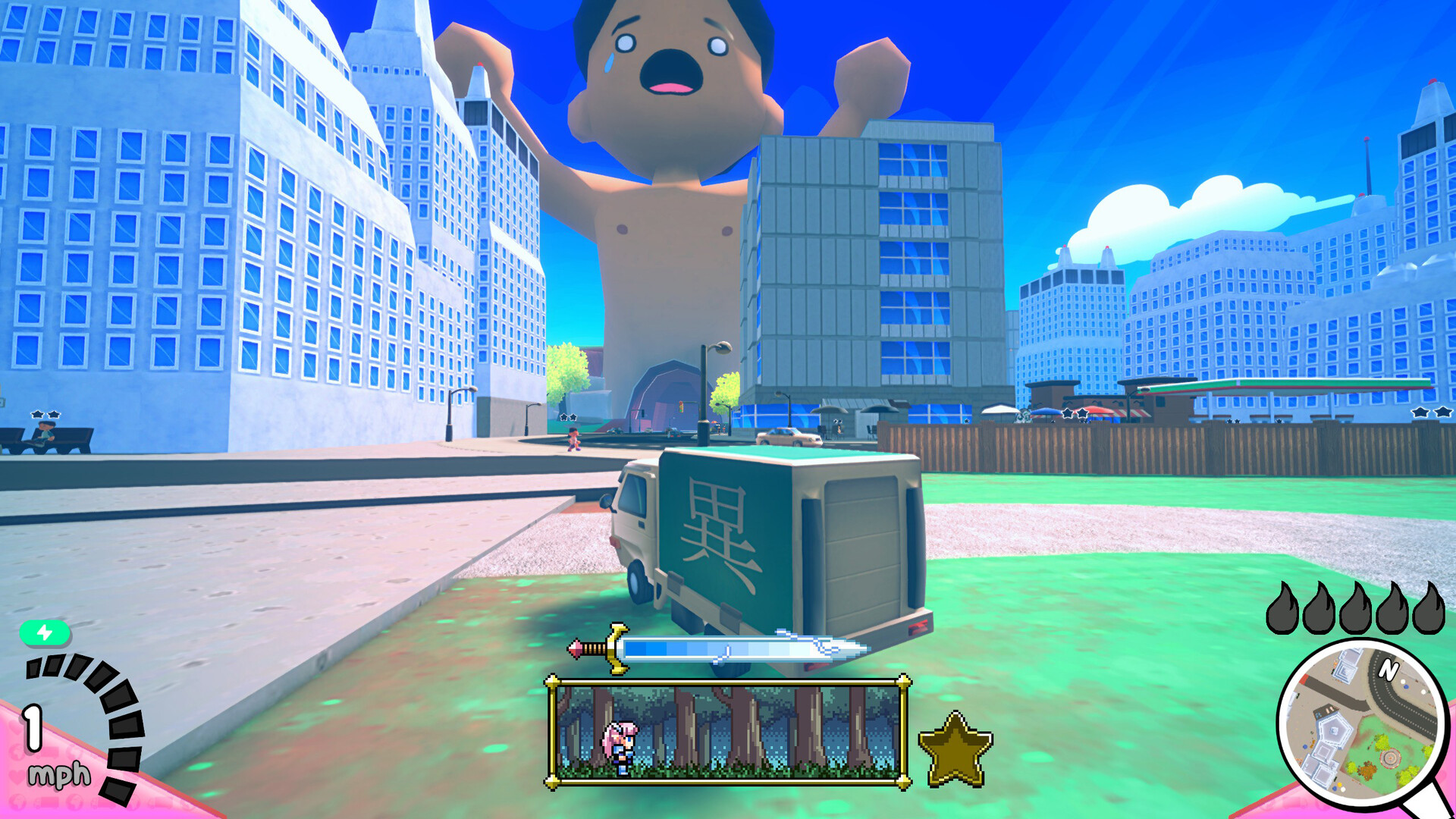
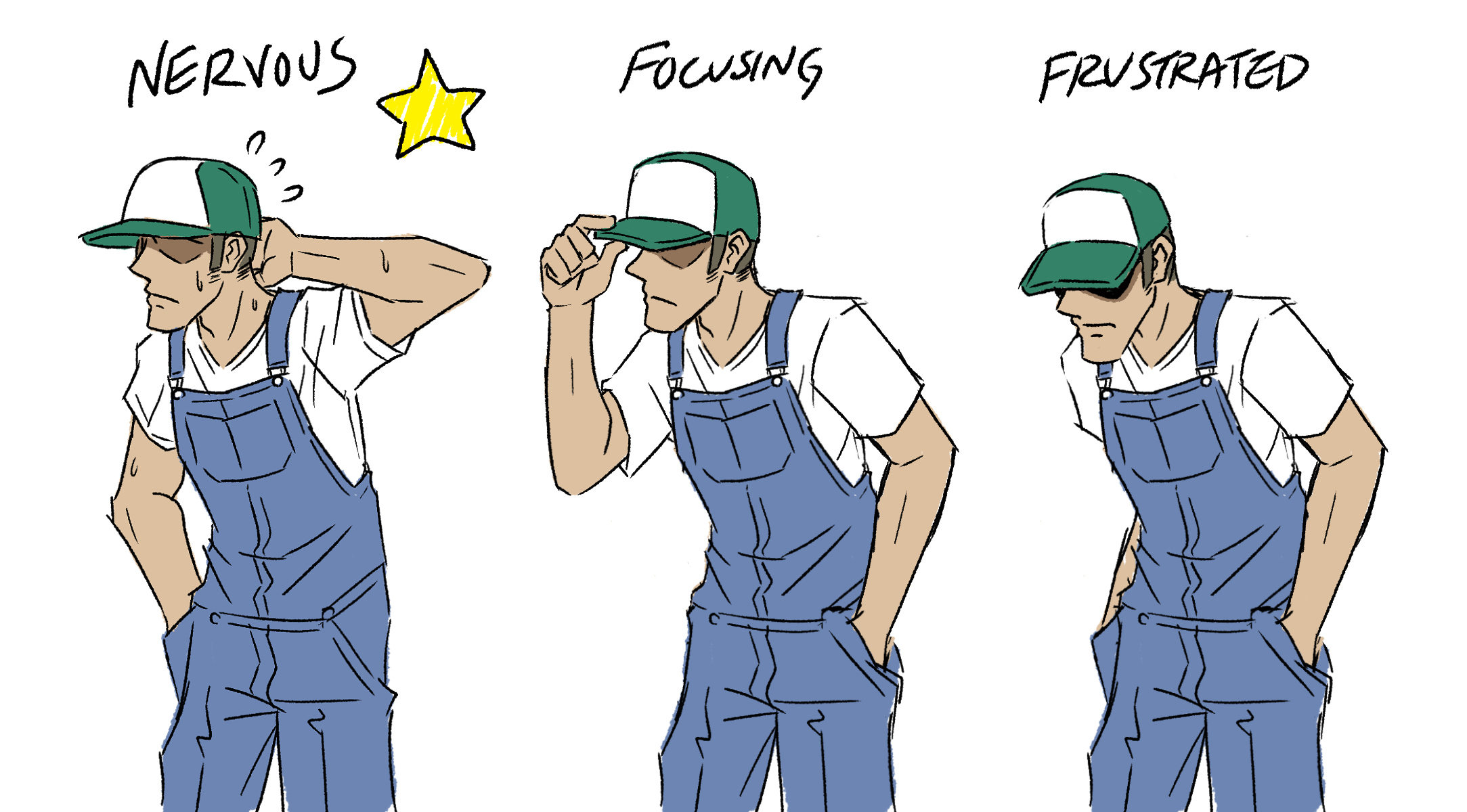
Riffing on a trope and meme where the protagonist is essentially killed in a road accident before their consciousness is transported to a fantasy world, you play as the titular truck driver who just ran over career-climbing anime-obsessed Carissa Ward, who's reincarnated into a buff pink-haired anime elf, and she needs your help to get back to her world. And the way to do that is by running over more pedestrians who then get sent over to the same fantasy world as monsters that she can kill and get stronger in order to defeat the Skeleton King.
It's absurd as it sounds, and even very GTA-inspired in how you're supposed to run over pedestrians while bumping away police cars. But according to Strange Scaffold's creative director Xalavier Nelson Jr, there was a whole host of other inspirations.
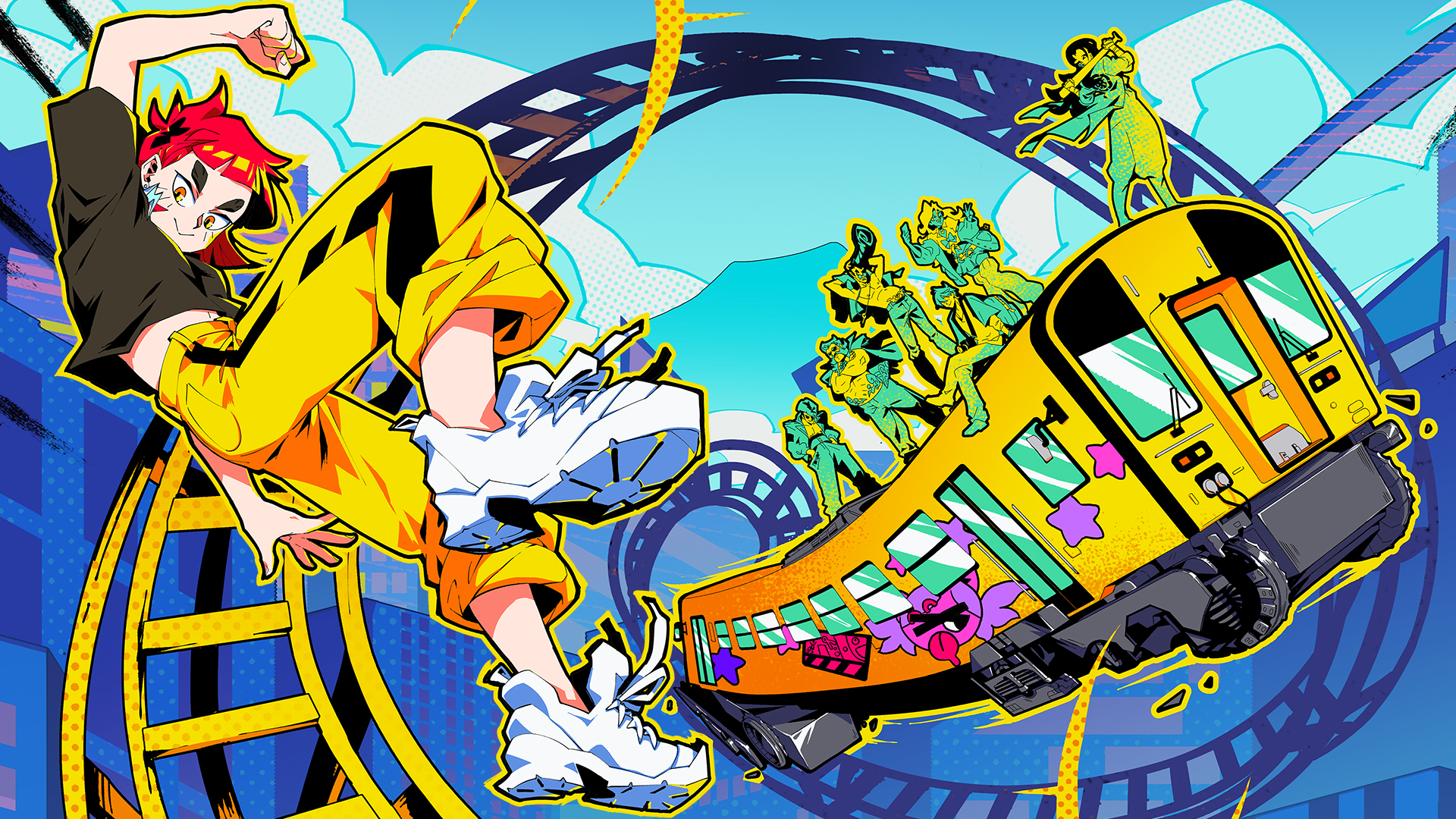
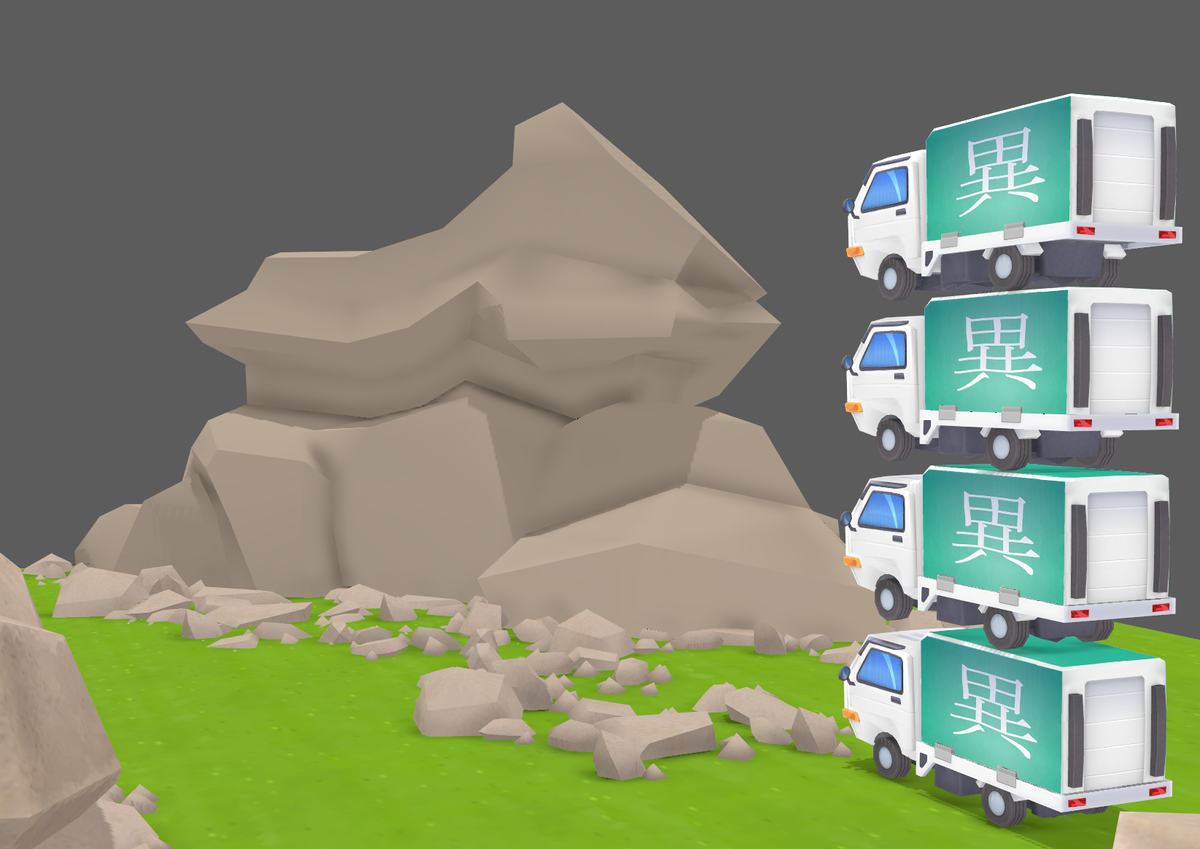
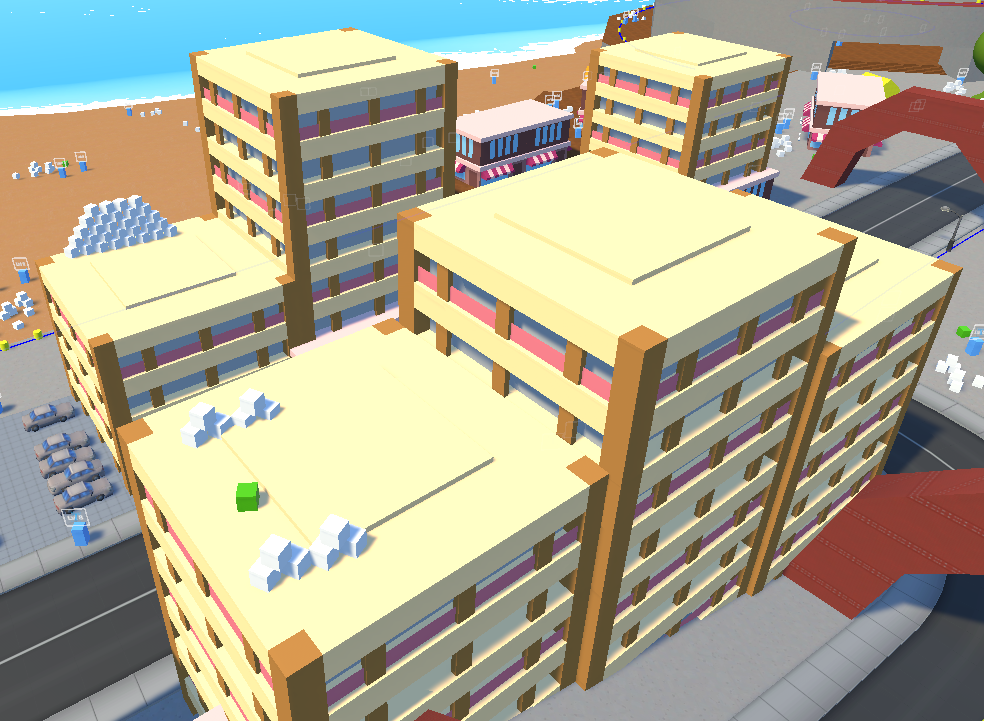
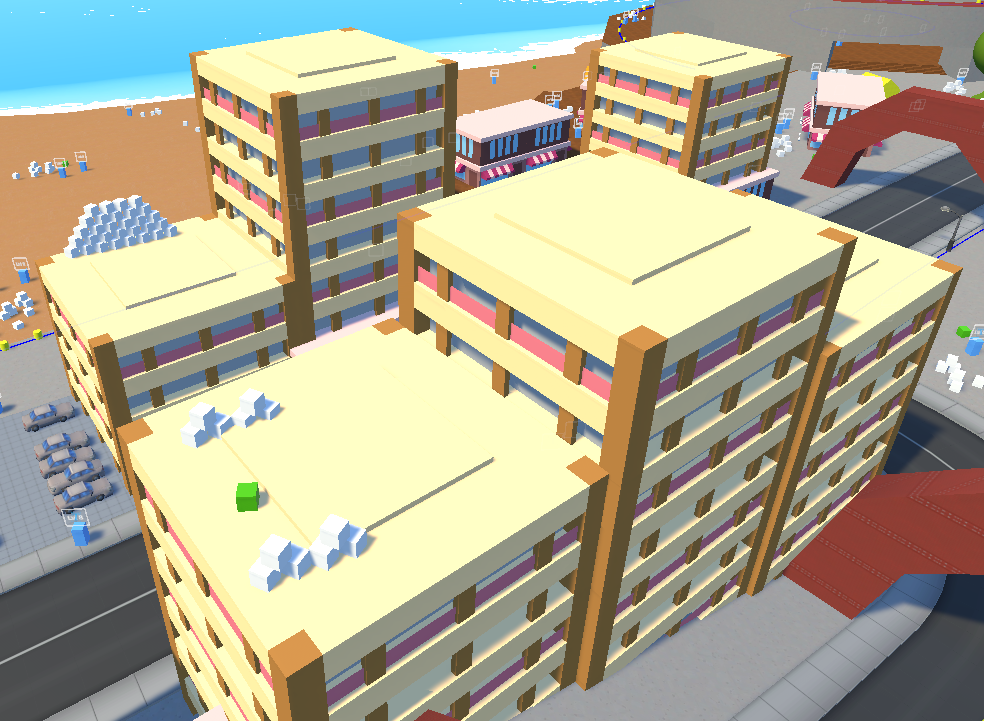
"I think the best direct gameplay comparison is Katamari Damacy, Crazy Taxi, and Tony Hawk's Pro Skater, three things that deserve to be in the same room," he tells me. "It's inspired by the Dreamcast and Saturn aesthetics, those sorts of really bright primary colours, fast-moving fluid treatment of objects. The art style is specifically meant to evoke a weirdly rose-tinted nostalgia."
(Image credit: Strange Scaffold)
(Image credit: Strange Scaffold)
(Image credit: Strange Scaffold)
Image 1 of 3
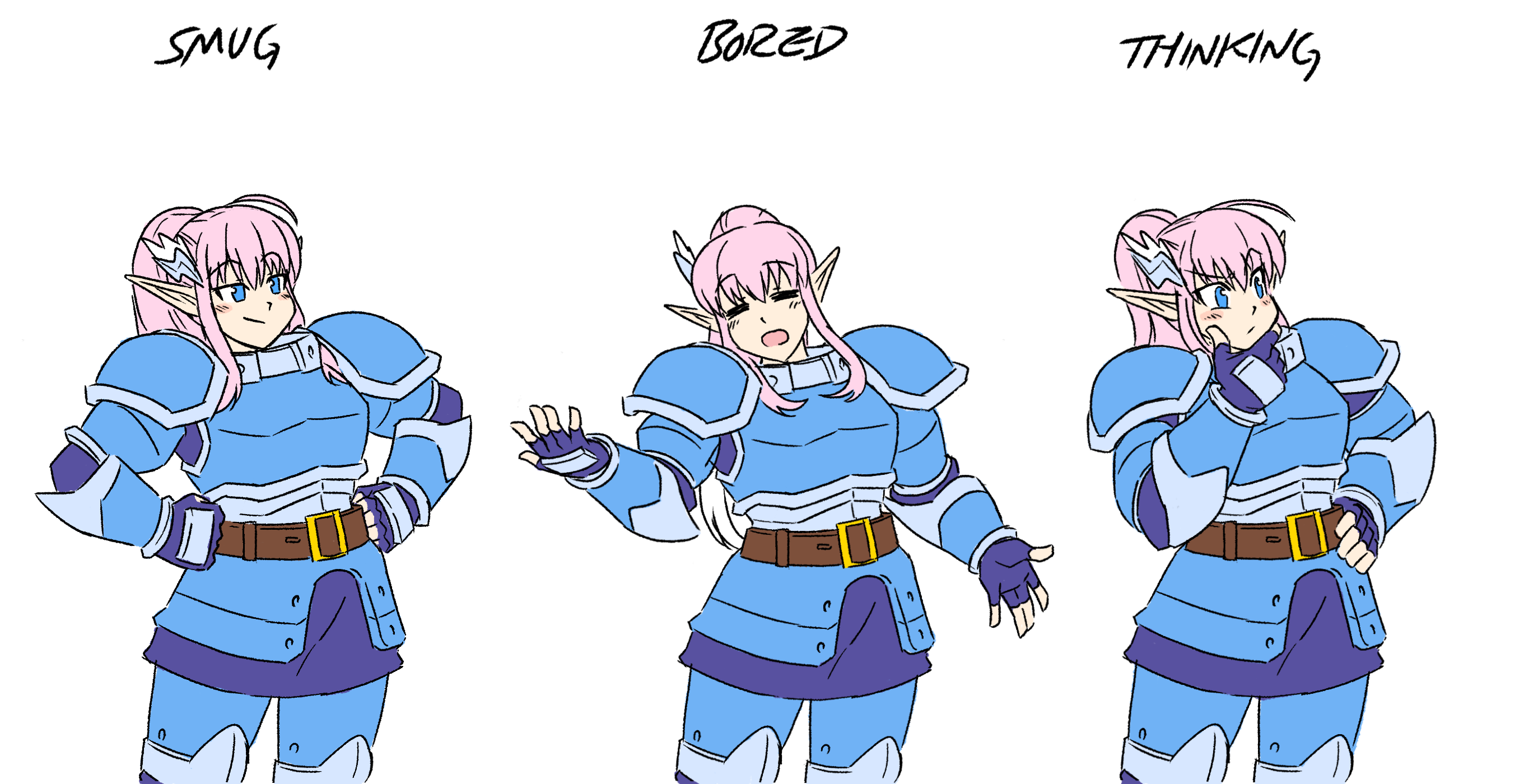
Image 2 of 3
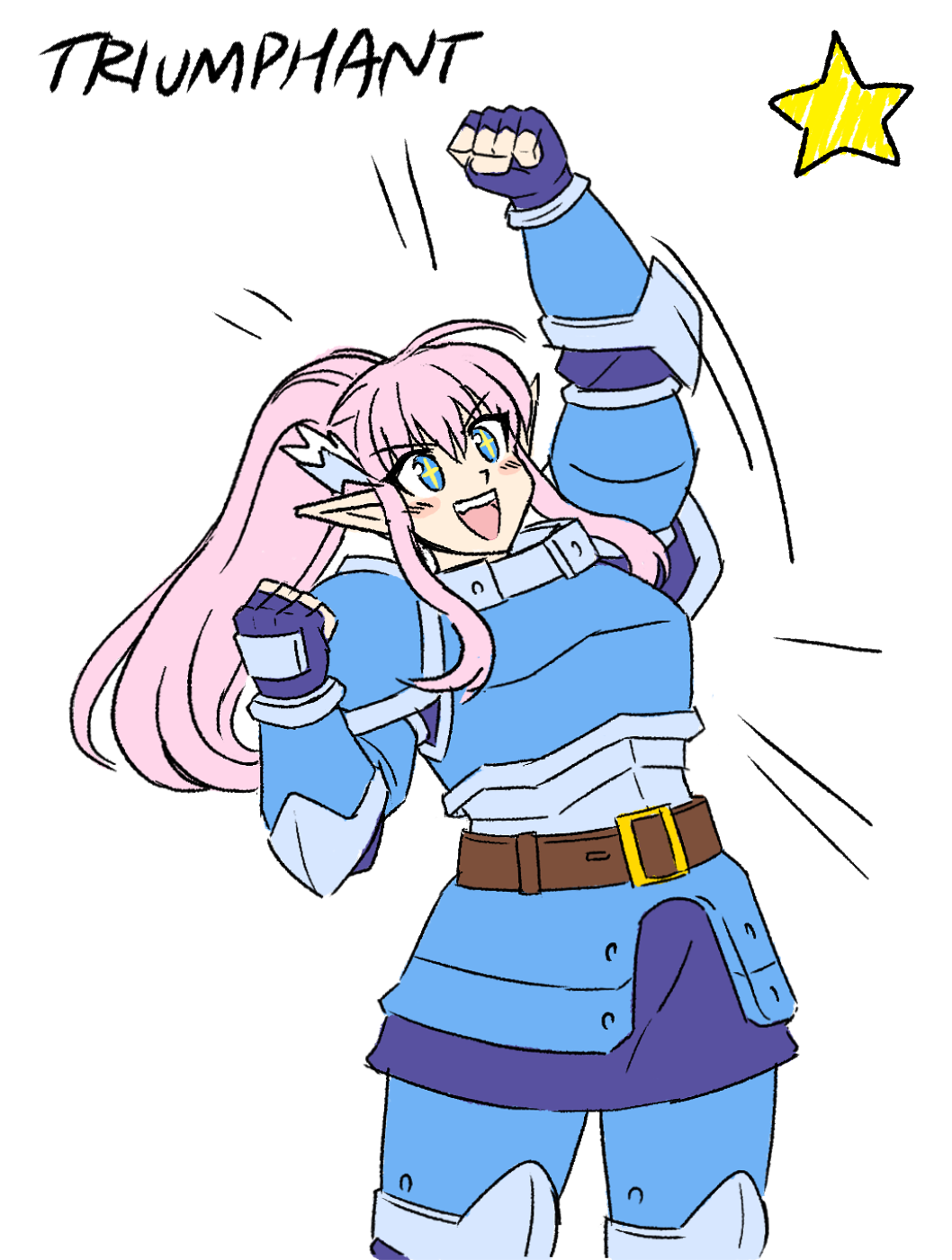
Image 3 of 3
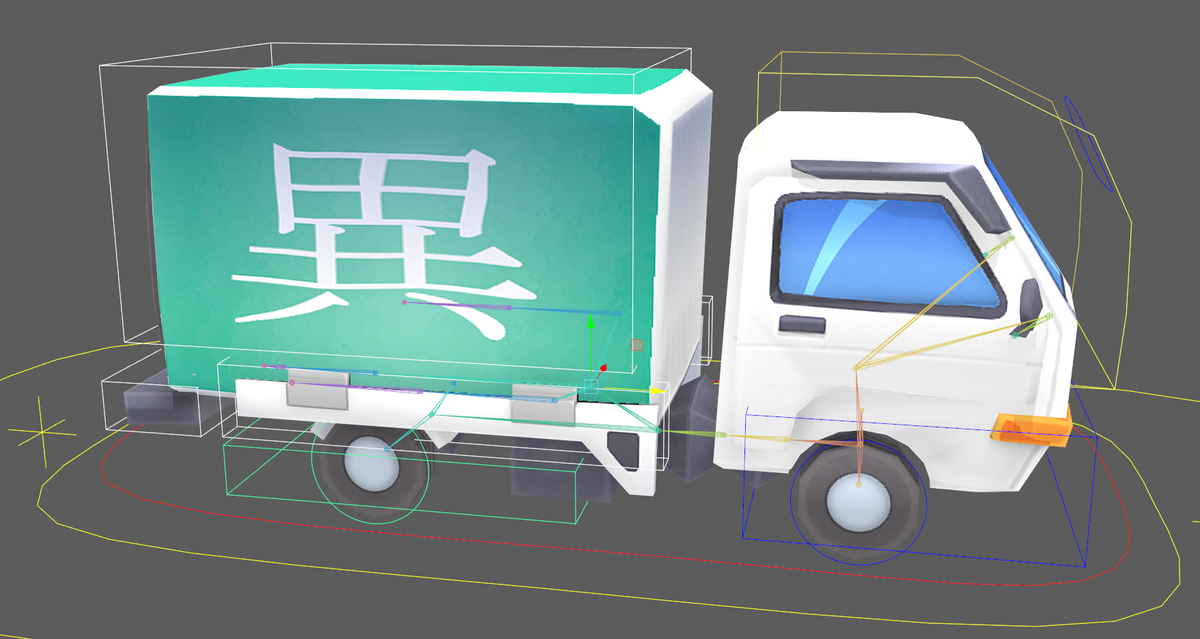
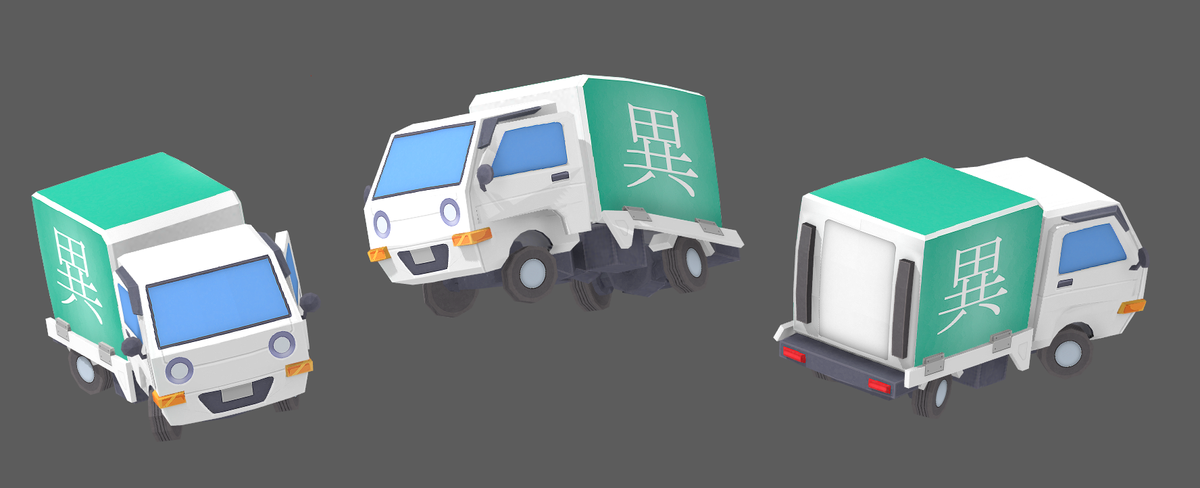
The rendering of the town itself, the rather brilliantly named Wenvale, certainly has a simpler, bolder style reminiscent of 3D visuals from that era, when you didn't need much realistic detail to evoke atmosphere. More importantly, Nelson Jr. says it's largely achieved by something that's often under-discussed in game development.
 How At Fate’s End uses 3D camera tricks to make its 2D art feel like a pop-up picture book
 Denshattack! review: the summer's best game is in love with Sega Dreamcast
 This Rez artist is making a Japanese mythology game that breaks every visual stereotype
"Essentially, all of the effects on how distance is handled, shadows are handled, the colour grading of the world, the depth of field, the camera FOV, so much of that is handled by what's called a post-processing pipeline, and that is where a lot of your art style actually lives," he explains.
Nelson Jr. adds: "We had built the art, we had built the entire city, but it did not have post-processing applied to it, and the team didn't have the additional energy and commitment to make that pipeline, so we bought on a frequent collaborator, Dan Pearce, under my direction, and what emerged was a game that looked transformationally different in a matter of days, because an entire esthetic had been established."
Sign up to Creative Bloq's daily newsletter, which brings you the latest news and inspiration from the worlds of art, design and technology.
(Image credit: Strange Scaffold)
(Image credit: Strange Scaffold)
(Image credit: Strange Scaffold)
(Image credit: Strange Scaffold)
Image 1 of 4
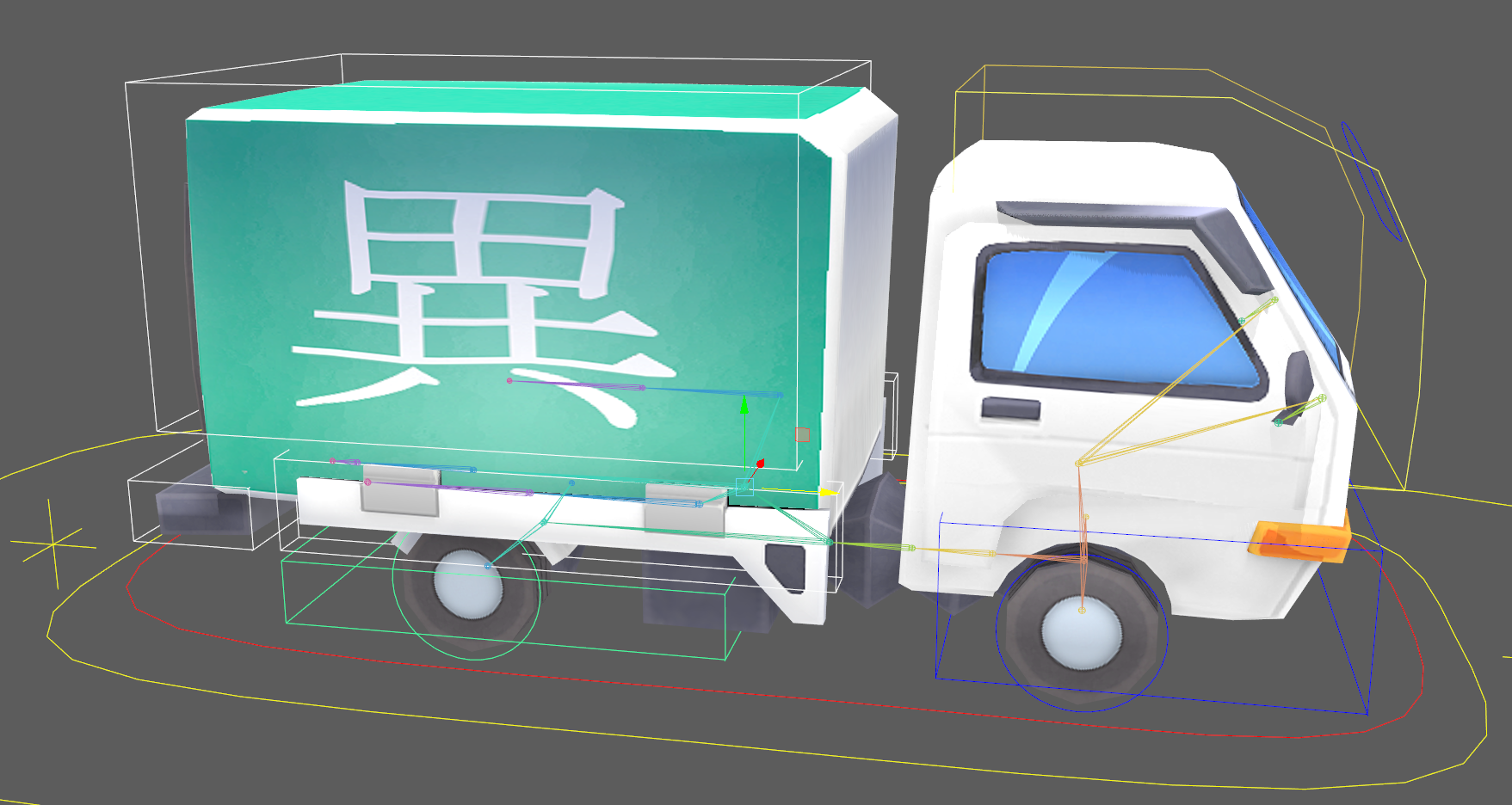
Image 2 of 4
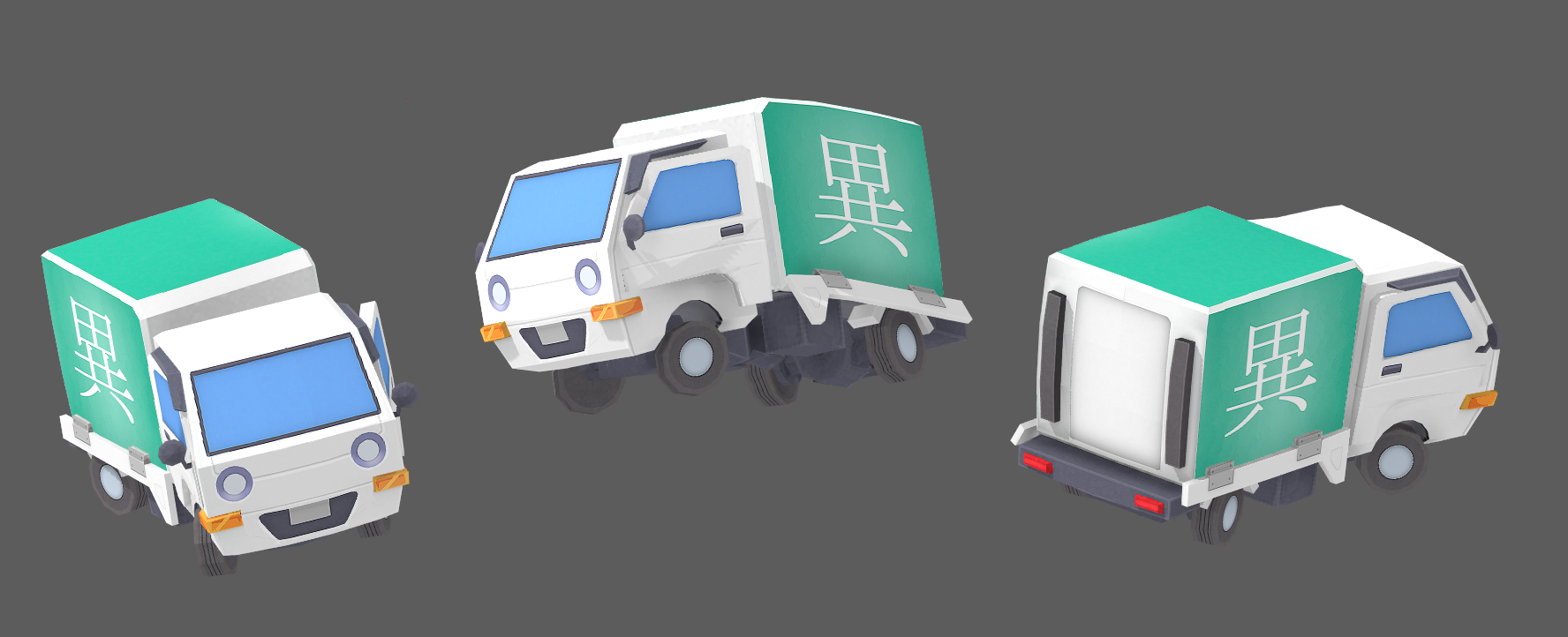
Image 3 of 4
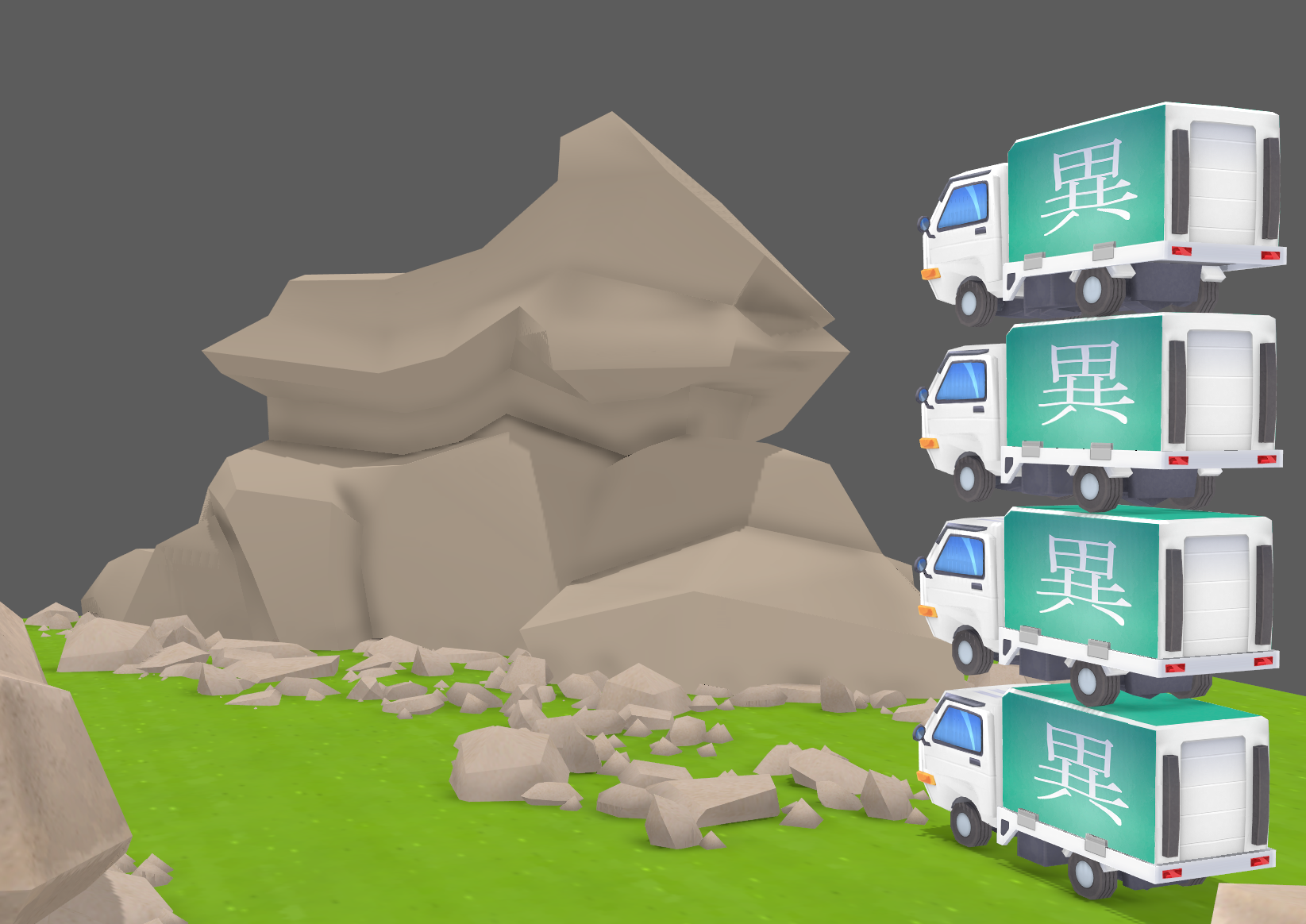
Image 4 of 4
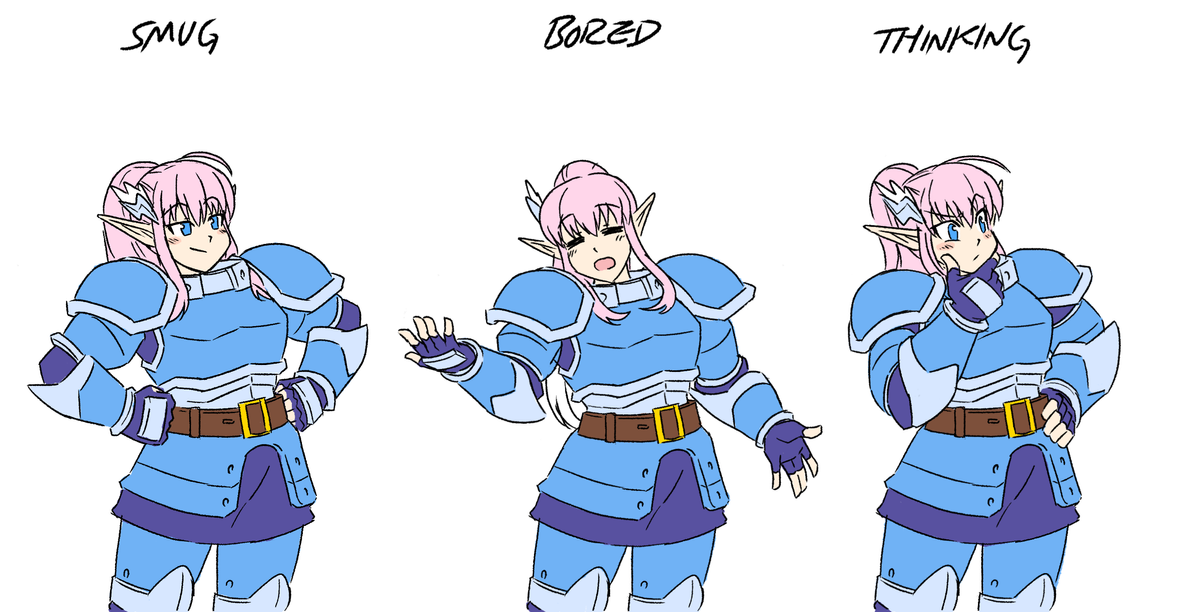
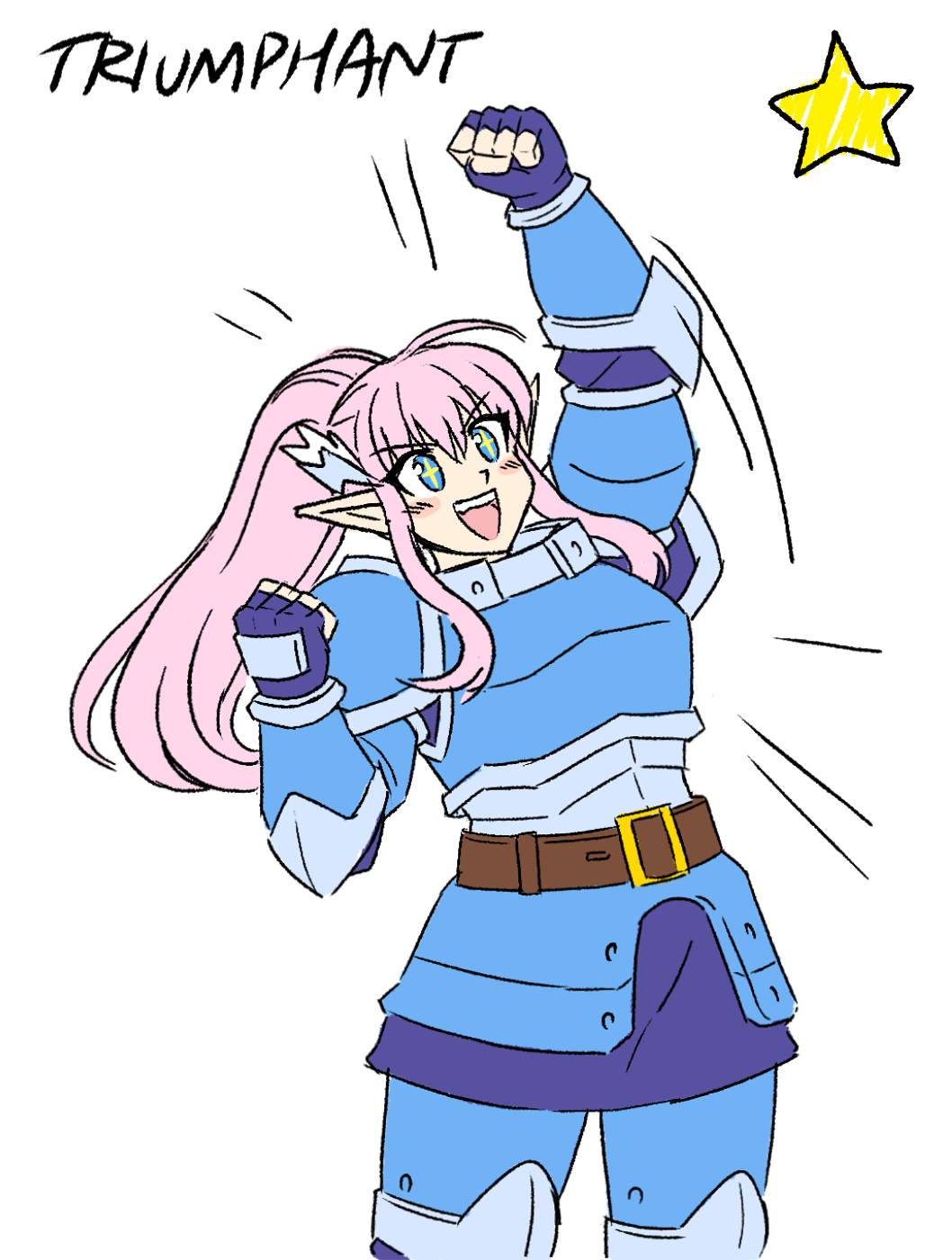
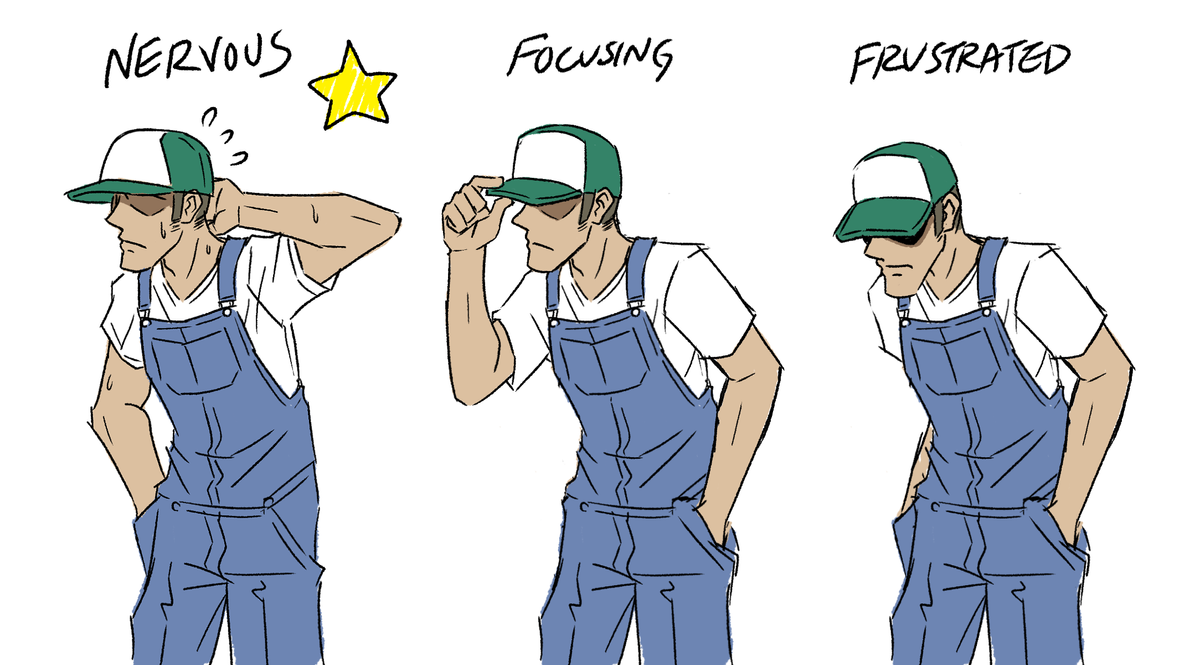
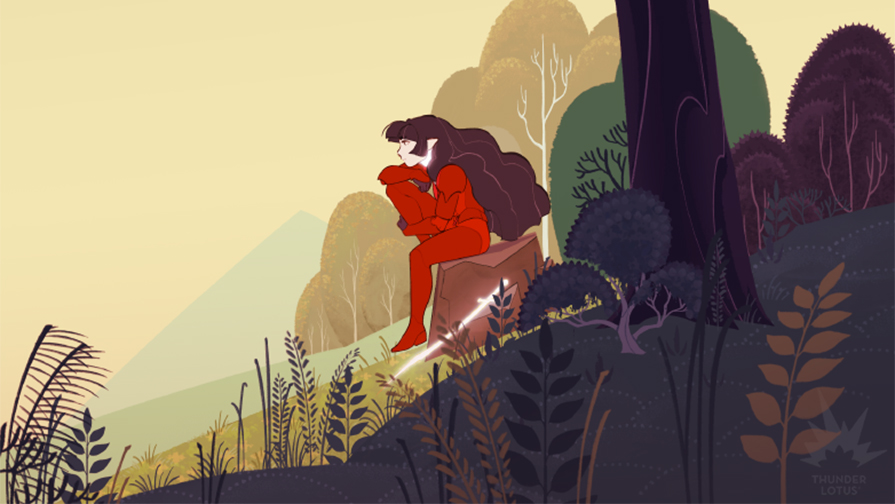
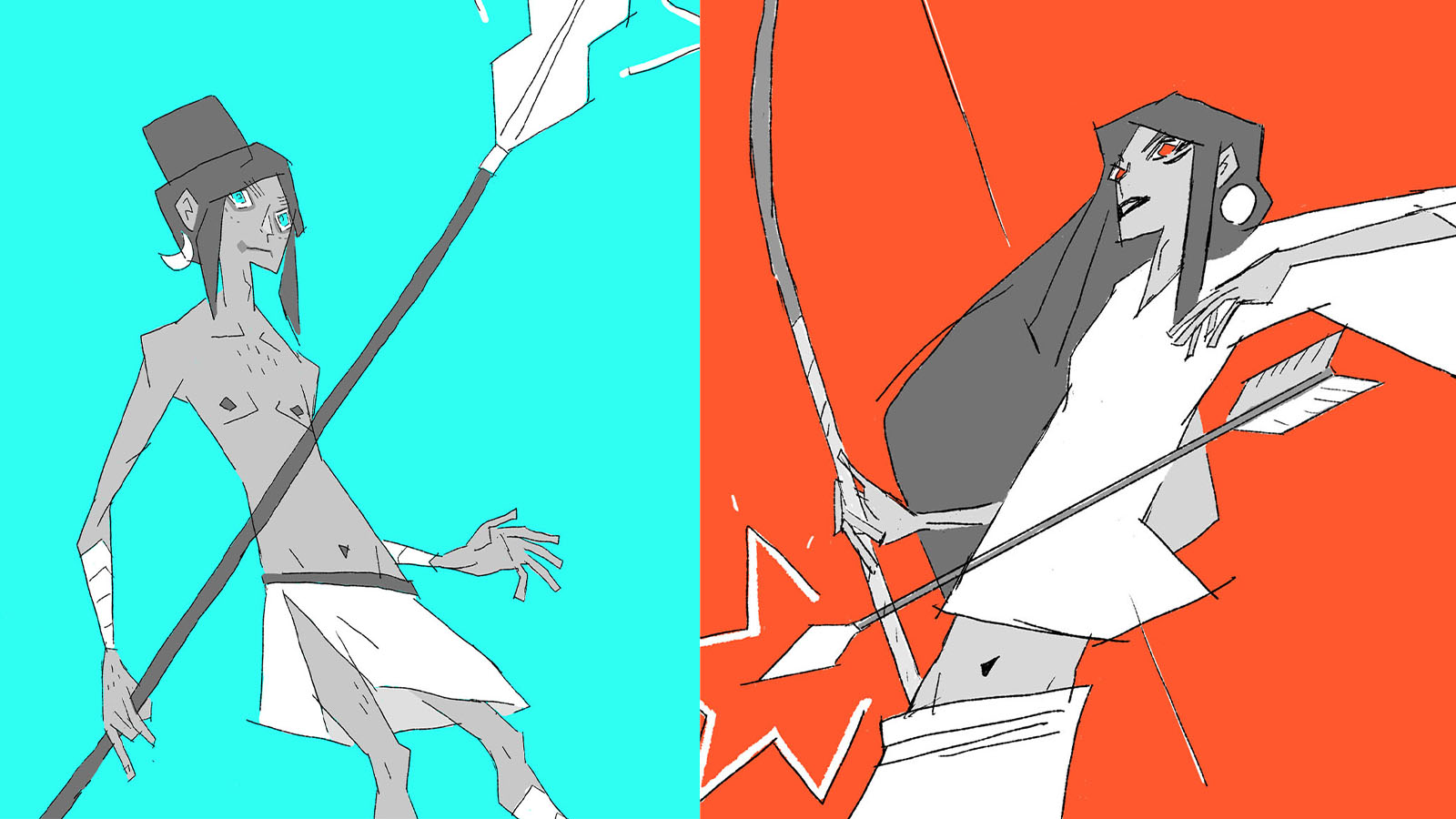
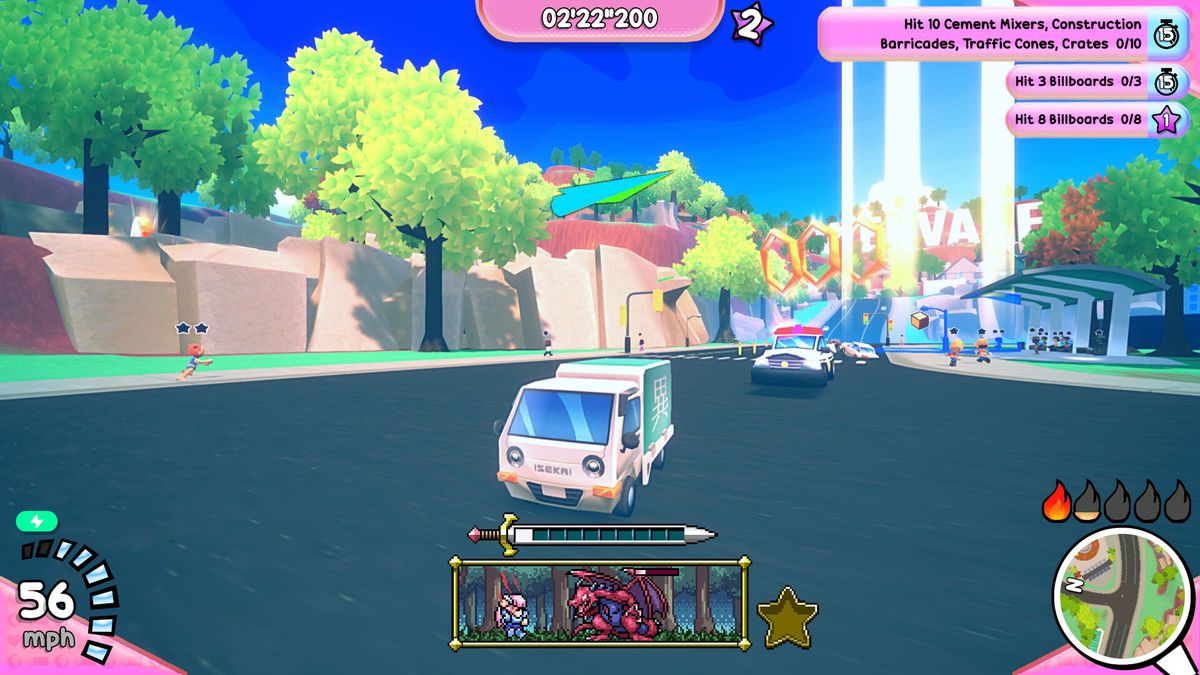
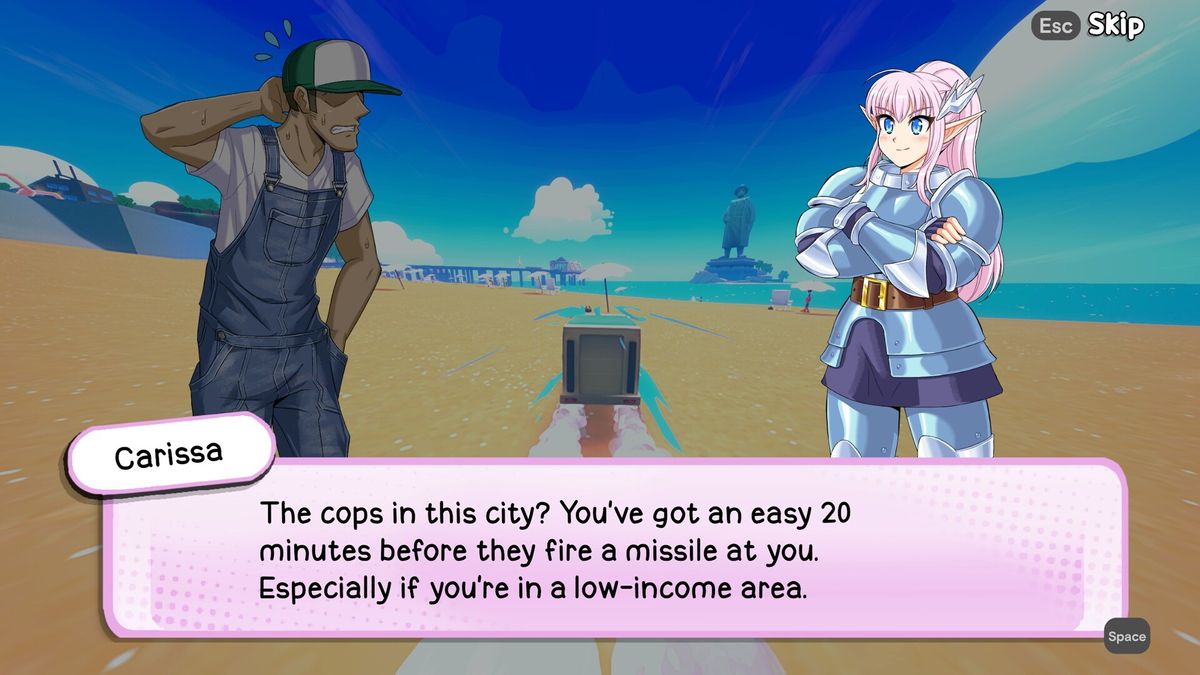
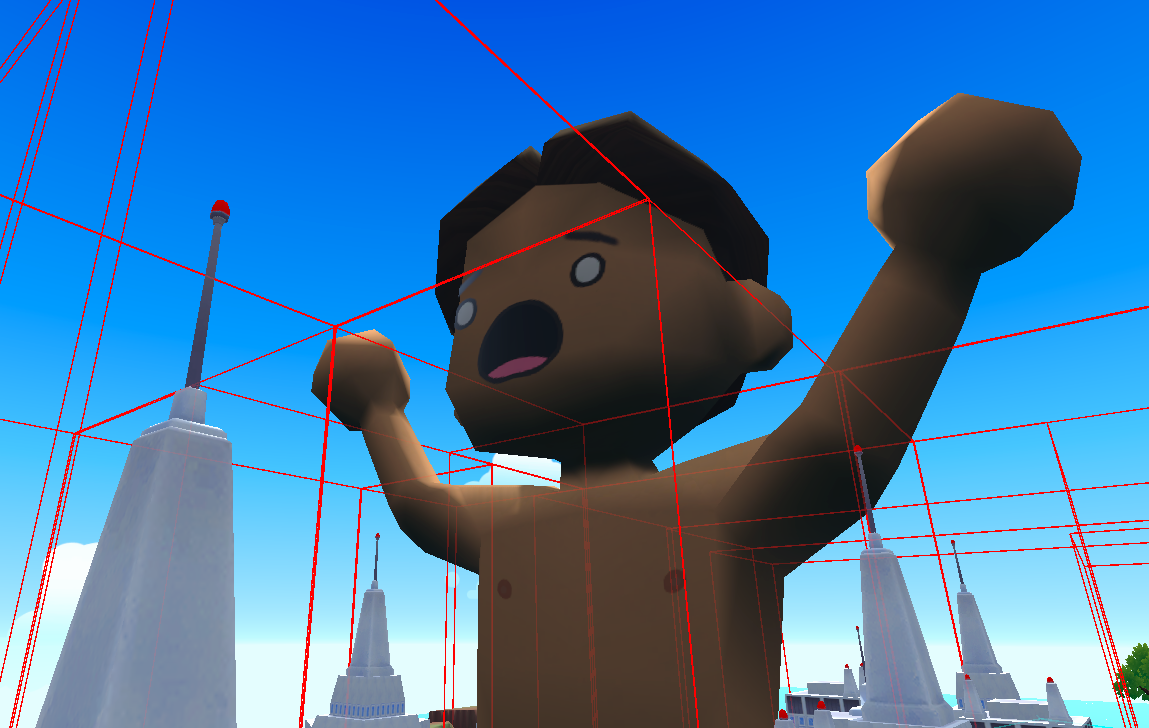
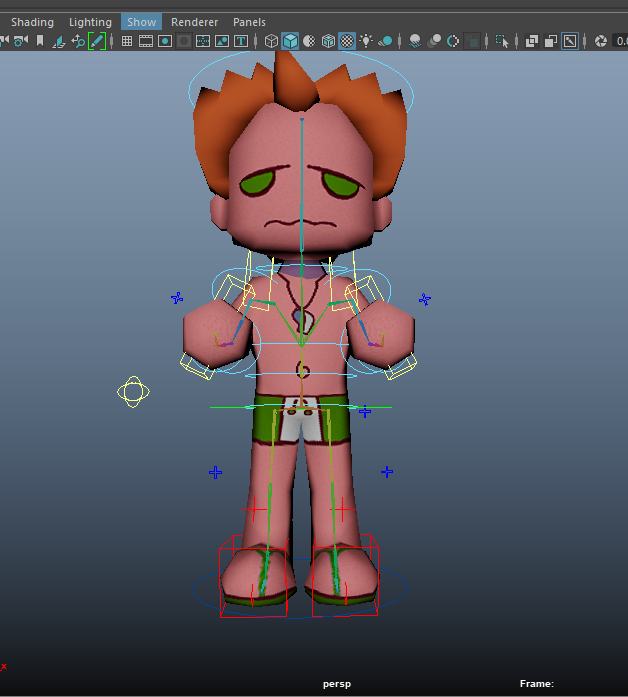
That's, however, only a fraction of Truck-kun's style, as it also leans into its anime origins with cutscenes and dialogue moments where the characters are represented onscreen as 2D anime portraits. Perhaps the most challenging part is the isekai world itself being represented as a small window at the bottom of the screen in pixel art, as Carissa fights off monsters like she's in a retro fantasy RPG.
"The isekai window ended up being one of the hardest things the studio has ever attempted, because it deceives you as a creative team," Nelson Jr. says. "When you have a game that exists across settings, the natural conclusion is to believe you're making two games that work together, but what you're actually making is one game with a second layer that must have a very finely managed balance of how much attention it attracts and how much the players' mental bandwidth is dedicated to it even existing."
(Image credit: Strange Scaffold)
(Image credit: Strange Scaffold)
(Image credit: Strange Scaffold)
(Image credit: Strange Scaffold)
(Image credit: Strange Scaffold)
Image 1 of 5
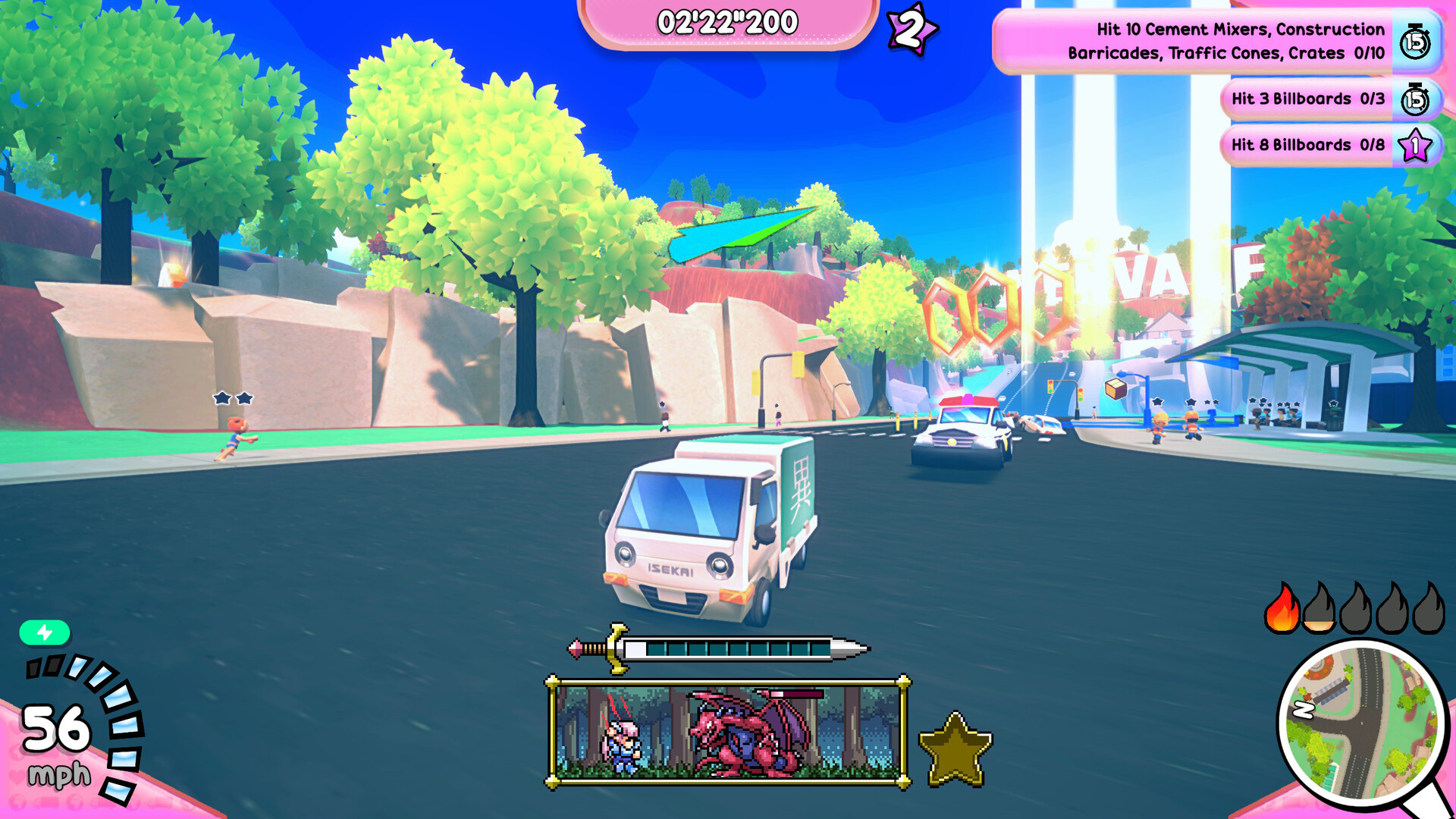
Image 2 of 5
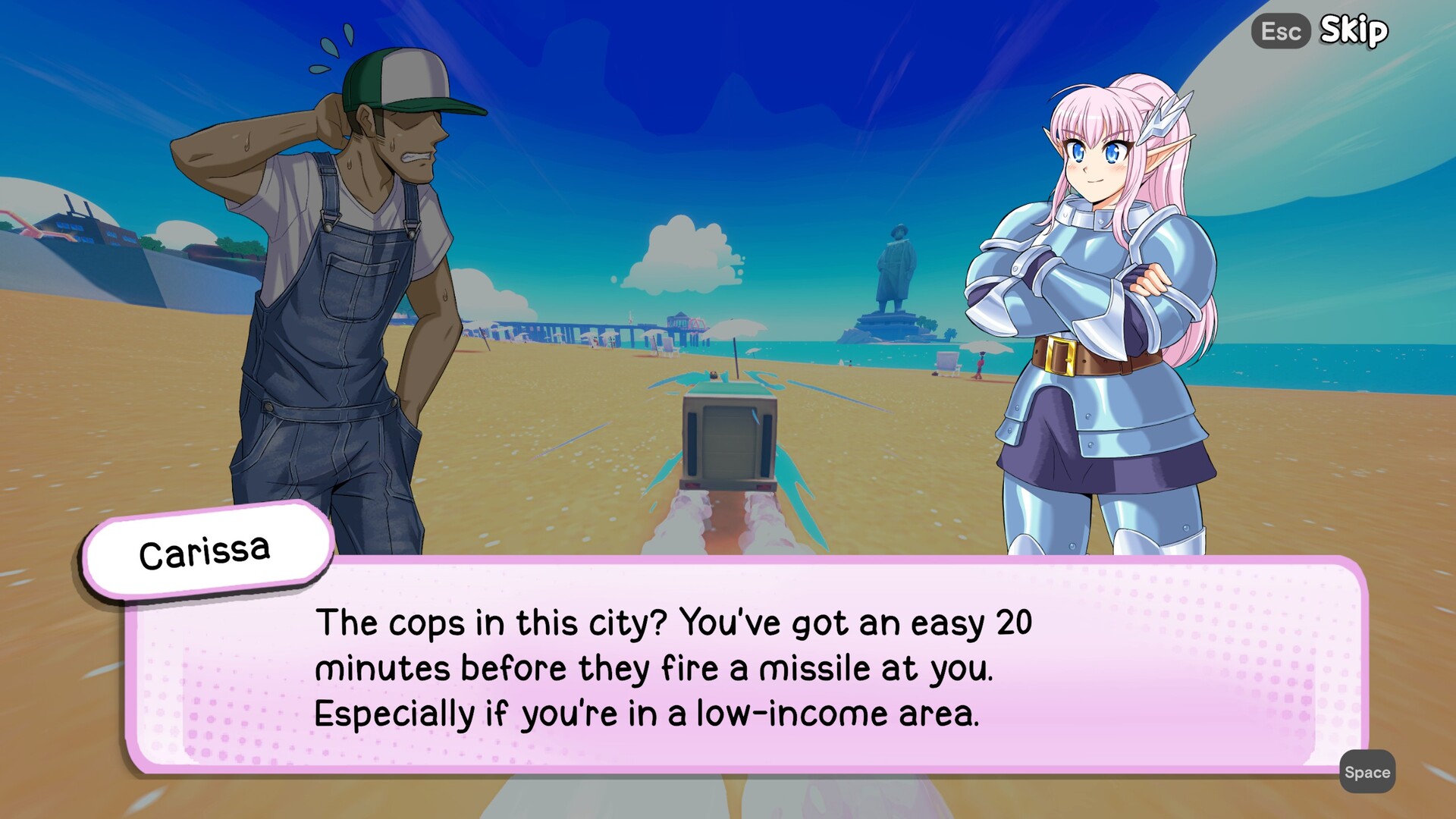
Image 3 of 5
Image 4 of 5
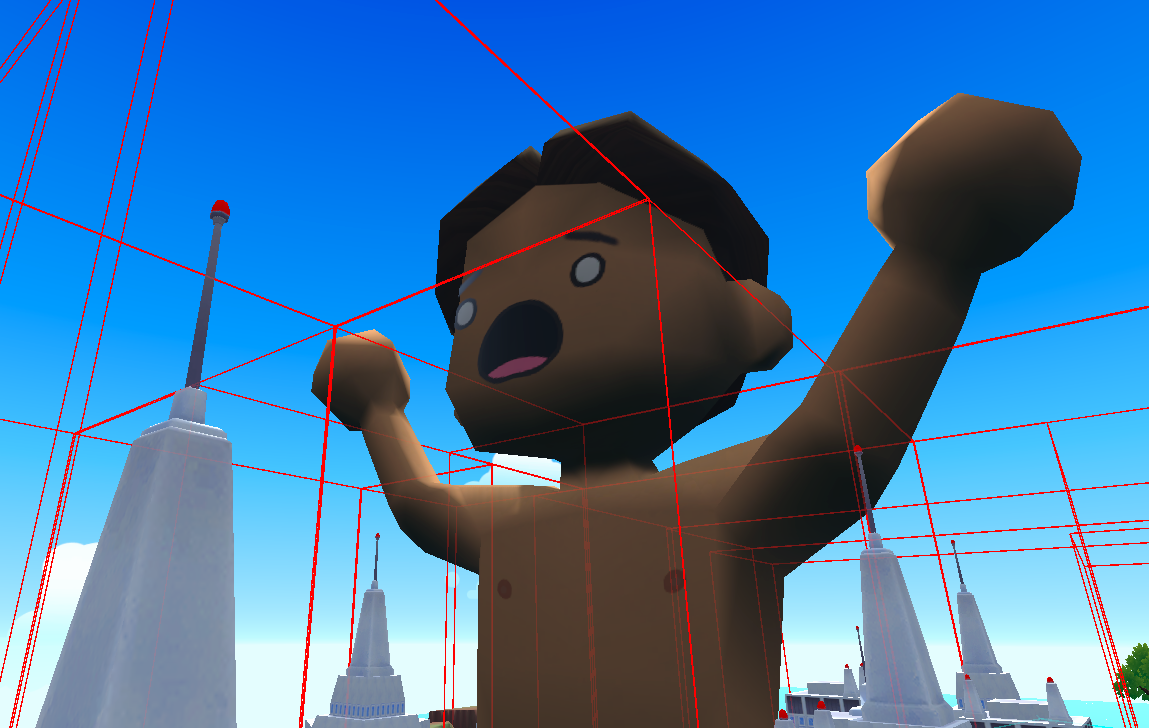
Image 5 of 5
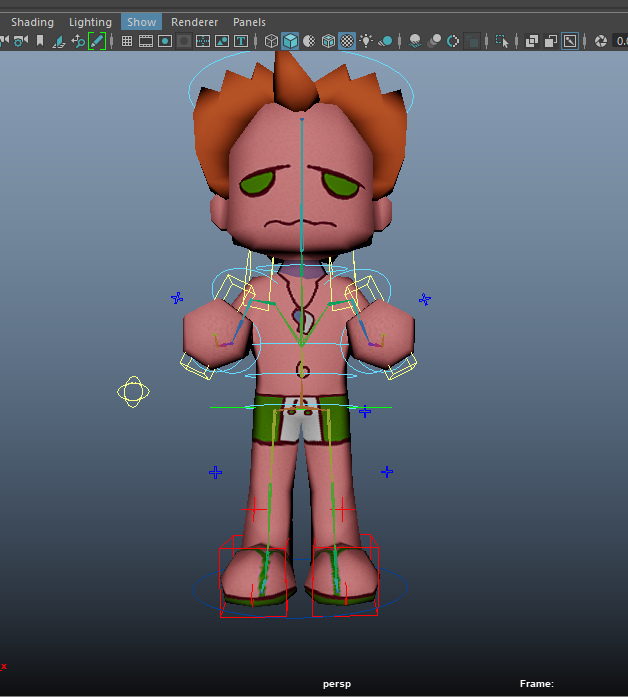
The different art styles employed aren't just for aesthetics but serve a consistent function. "If you're going to make a game that's split across multiple permutations of a universe, it becomes important to keep each one consistent unto itself, so that it doesn't turn into something generic that congeals together, and that's where you lose the game in the process."
Ultimately, each aesthetic serves to create a story inside the player's mind, such as how the Sega blue skies are meant to feel hopeful, while the post-processing pipeline intentionally brings the reds and greens of the environment that help establish positive feelings and calm. It's also one of the reasons why, even as a small team made up of multiple contractors, Nelson Jr would never turn to AI.
"These programs are automatically making decisions for you, and if you are not vigilant, those decisions end up invisibly altering the story you're telling," he says, giving a seemingly innocuous example of how AI might lean into purple when you've been focusing on yellow, reds and blues. "What the AI-generated art spat out might be a small enough thing that someone decided was fine, but enough instances of saying it's fine end up being a set of decisions in its own right to the point that you end up having multiple art styles visibly competing for attention."
Truck-kun is supporting me from Another World releases on PC and Xbox Series X/S on 29 July, and you can try a free demo on Steam.
Alan Wen is a freelance journalist writing about video games in the form of features, interview, previews, reviews and op-eds. Work has appeared in print including Edge, Official Playstation Magazine, GamesMaster, Games TM, Wireframe, Stuff, and online including Kotaku UK, TechRadar, FANDOM, Rock Paper Shotgun, Digital Spy, The Guardian, and The Telegraph.<\/p>","collapsible":{"enabled":true,"maxHeight":250,"readMoreText":"Read more","readLessText":"Read less"}}), "https://slice.vanilla.futurecdn.net/13-4-25/js/authorBio.js"); } else { console.error('%c FTE ','background: #9306F9; color: #ffffff','no lazy slice hydration function available'); }
 Alan WenSocial Links NavigationVideo games journalist
Alan Wen is a freelance journalist writing about video games in the form of features, interview, previews, reviews and op-eds. Work has appeared in print including Edge, Official Playstation Magazine, GamesMaster, Games TM, Wireframe, Stuff, and online including Kotaku UK, TechRadar, FANDOM, Rock Paper Shotgun, Digital Spy, The Guardian, and The Telegraph.
You must confirm your public display name before commenting
Please logout and then login again, you will then be prompted to enter your display name.












Comments
0 comment