


The V-Ray update that could make Gaussian Splats far more useful for artists
When you purchase through links on our site, we may earn an affiliate commission. Here’s how it works.

(Image credit: Chaos)
Share this article
Join the conversation
Add us as a preferred source on Google
Newsletter
Subscribe to our newsletter
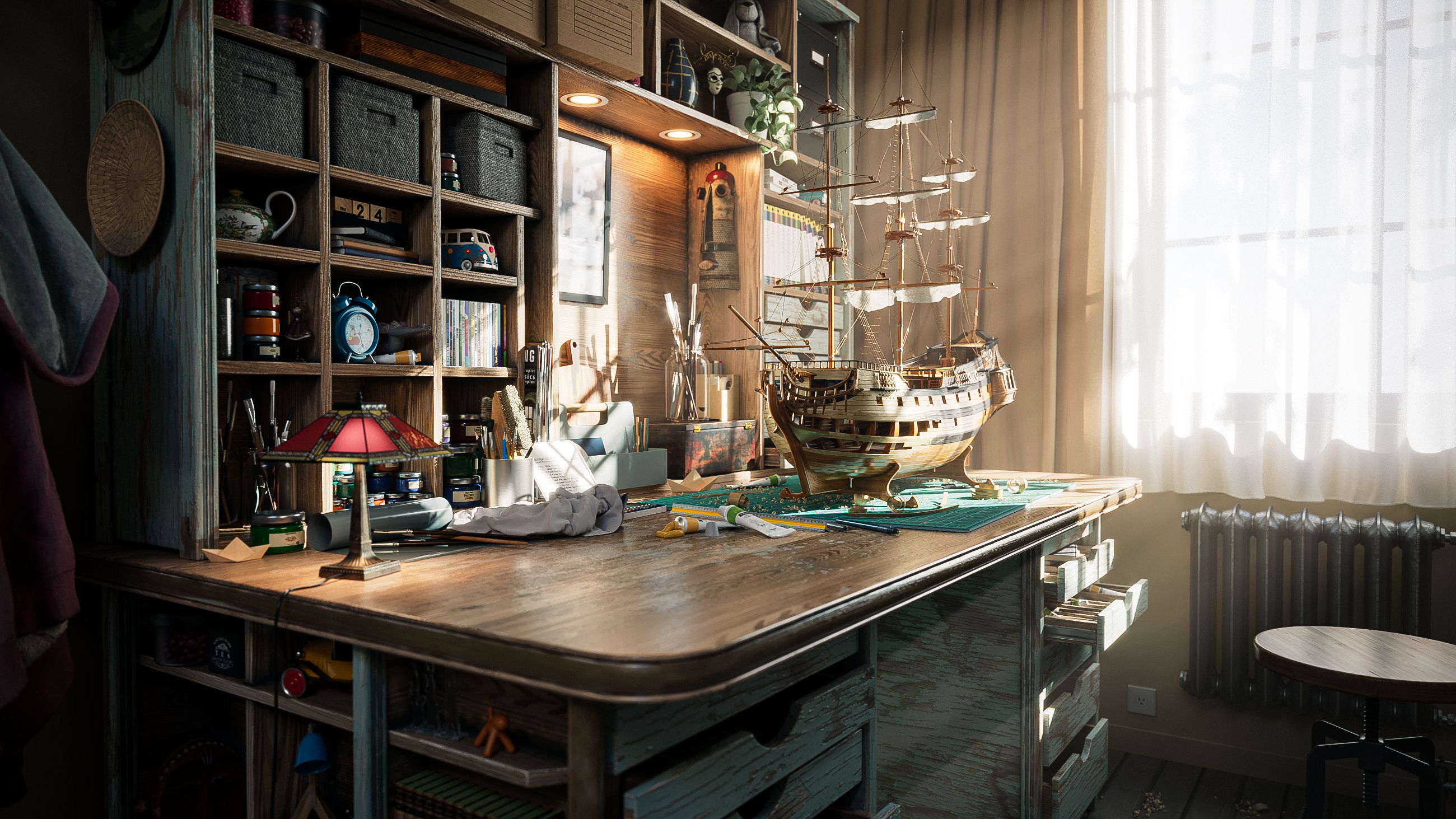
At SIGGRAPH, Chaos revealed how V-Ray 7.4 enables you to take a scene from early look development and real-time exploration through virtual production and final rendering – but it comes at a time when 'virtual production' has developed a bit of an image problem, as any mention of LED volumes and film fans immediately picture giant digital backdrops replacing real locations, actors standing in front of walls of pixels, and everything being built inside Unreal Engine.
Chris Nichols doesn't buy that, and believes Chaos offers a different way of doing virtual production to the headline Unreal Engine processes. Speaking to me ahead of SIGGRAPH 2026, the Chaos Director of Special Projects argued that filmmakers have become obsessed with recreating places they could simply… visit.
"Why try to invent the location all in CG when you can just go there and shoot one for real?" he tells me. "I think there's a combination of these things that work great, and Gaussian Splats are a great way to bring back that location into the volume when necessary."
It's a refreshingly practical take, and one that makes Chaos' latest V-Ray 7, Update 4 release make a lot more sense. On the surface, it's another SIGGRAPH update packed with rendering improvements, Gaussian Splat relighting – allowing you to adjust the lighting of scanned environments rather than being stuck with baked illumination, a feature that sits alongside Chaos’ ray-traced Gaussian Splat rendering workflow – and tighter links between V-Ray, Vantage and Arena. Underneath, it's all heading in one direction, making it easier to take the same scene from location scouting to an LED stage and all the way through to a final render without constantly rebuilding it.

(Image credit: Chaos)

(Image credit: Chaos)

(Image credit: Chaos)
Image 1 of 3

Image 2 of 3

Image 3 of 3

That philosophy even extends beyond Chaos' own tools, as the company reveals it's developing an OpenUSD Hydra Delegate (a bridge that lets different creative apps share and render the same scene without needing to convert or rebuild assets), meaning Vantage's real-time rendering and V-Ray's final-frame rendering will eventually plug directly into applications such as Nuke and Katana. It's not the flashiest announcement from SIGGRAPH, but it reinforces the company's biggest message: stop rebuilding the same scene every time it moves through the pipeline.
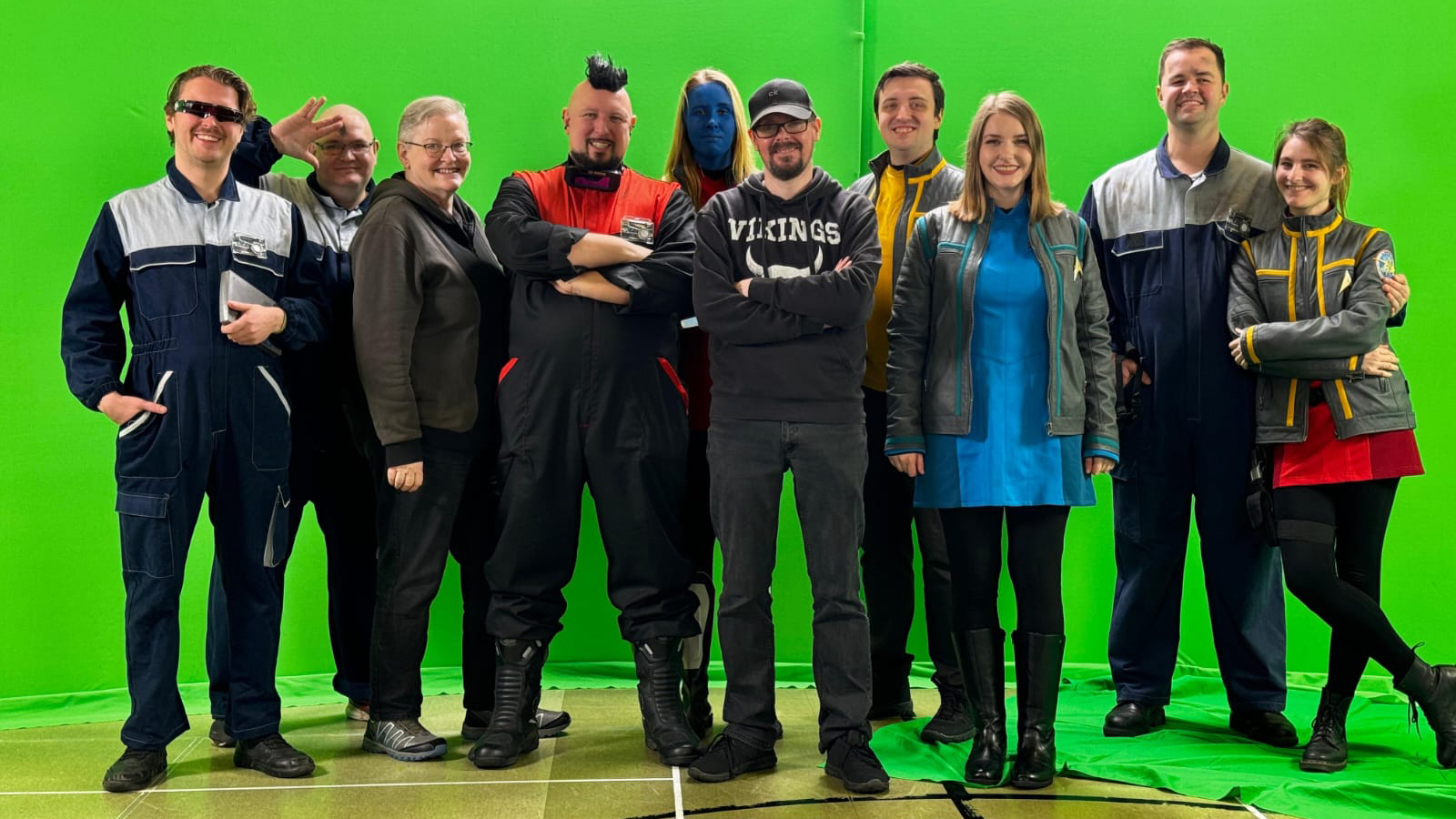 Why this indie Star Trek film team thinks AI could finally fix VFX's biggest headache
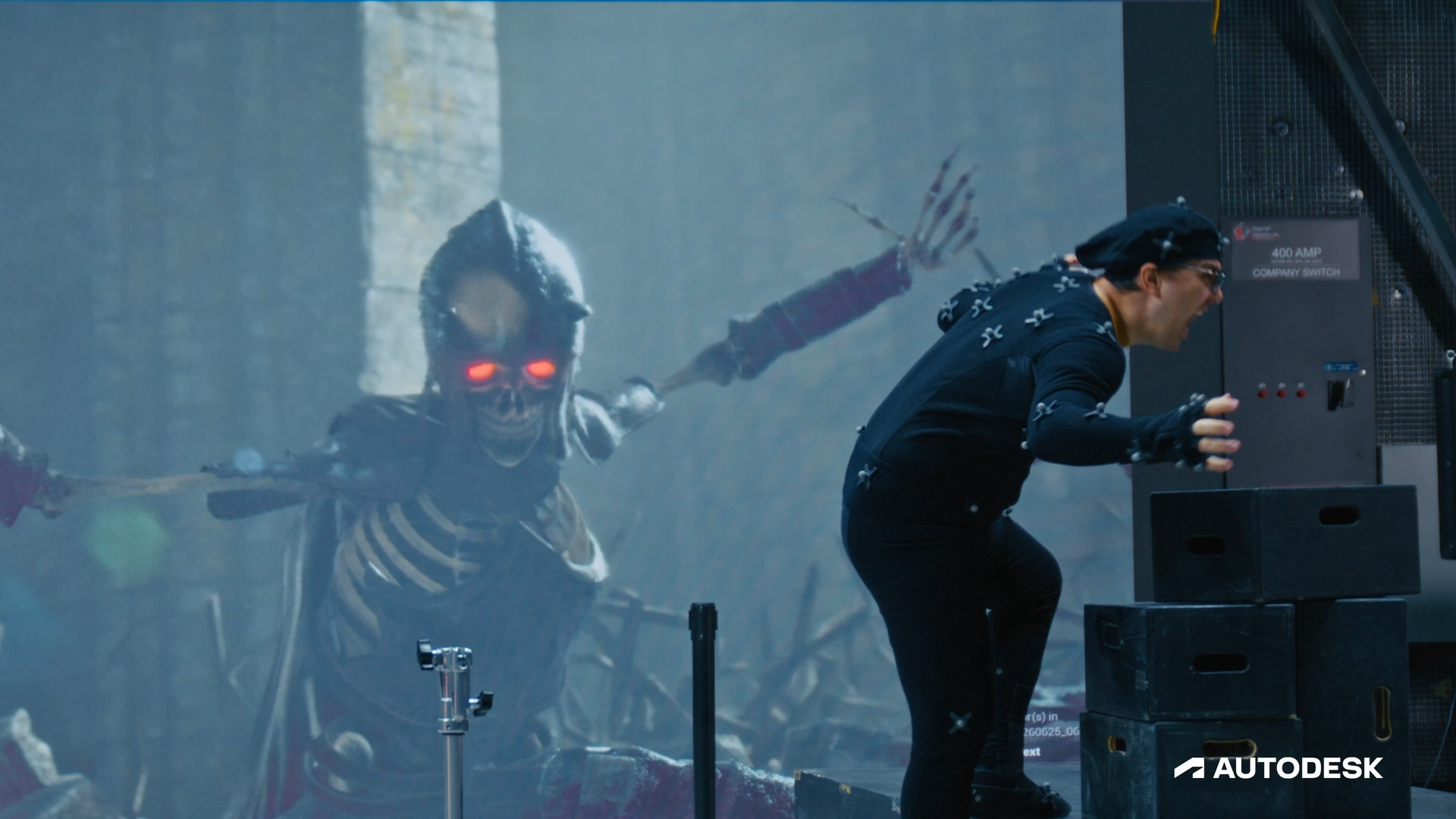 Autodesk’s SIGGRAPH announcements look unrelated, but they all solve the same huge problem
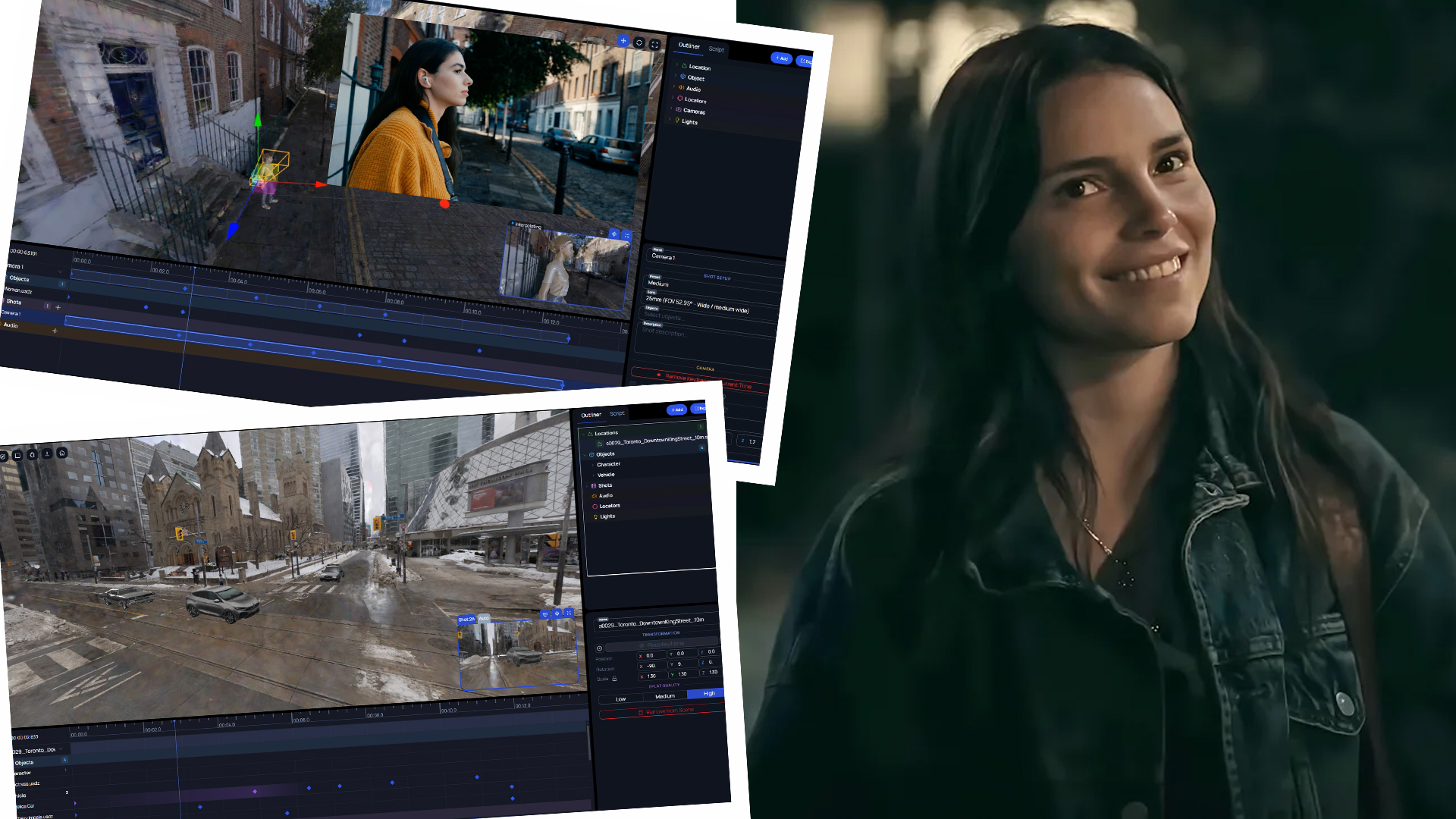
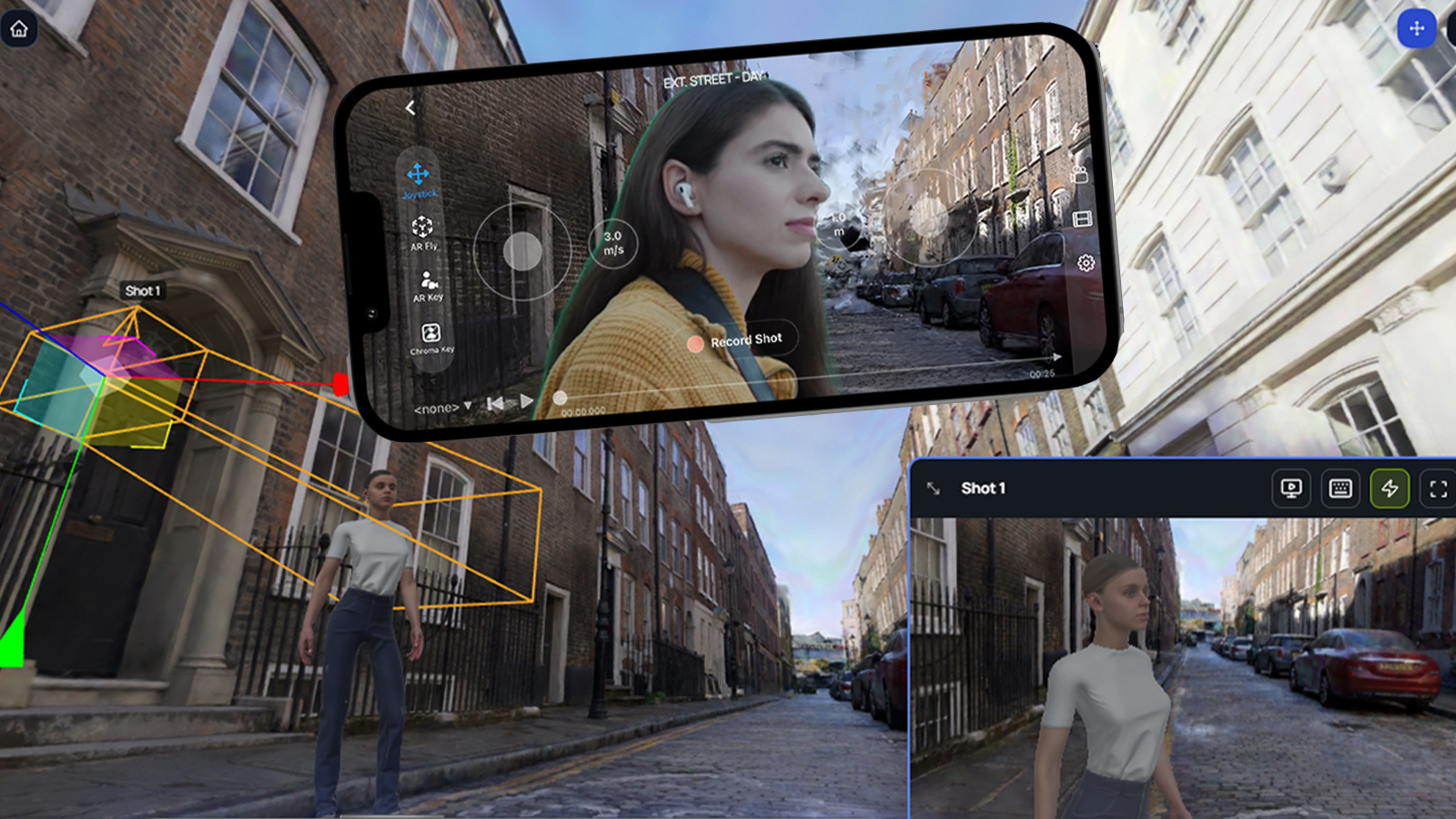 I watched Lightcraft turn a screenplay into a virtual film set using an iPhone
Nichols has already been putting that idea into practice on a proof-of-concept Western he's developing through his production company, Monstrous Moonshine. He explains how the production team headed out to Northern California to shoot establishing shots of an abandoned Gold Rush-era house, but they didn't stop there.
"We did the establishing shots there, and then captured a Gaussian Splat of that location while we were there, and it enabled us to bring that back with us to our sets under the LED wall […] that allowed us to do the rest in a much more controlled environment."
Sign up to Creative Bloq's daily newsletter, which brings you the latest news and inspiration from the worlds of art, design and technology.

(Image credit: Chaos)
(Image credit: Chaos)
Image 1 of 2

Image 2 of 2
It's one of those ideas that sounds obvious once Nichols tells me about the process – instead of rebuilding the location from scratch in CG, take the location home with you. The clever bit came afterwards when the script called for lights inside the abandoned house and eventually the whole thing catching fire, changes that obviously weren't there when it was scanned. Thanks to Chaos' new relightable Gaussian Splats, Nichols says he could simply start adding lights.
"I needed to light up the inside of the house, and also at the end […] the whole house is supposed to be burning," he says. "Luckily, we had developed relightable Splats […] I was able to add CG lights to the splat itself."
His art director also designed a new porch in Rhino, which was dropped into the scanned scene, and because everything was being ray traced together, it behaved exactly as you'd hope. "The Splat and the polygons were lit by the same light source, and they were interacting and shadowing each other, so it just became a completely natural workflow."
 Hollywood has a creativity problem, and cheaper filmmaking tools could finally fix it
 Backrooms and Obsession changed the rules of filmmaking – now the tools are finally catching up
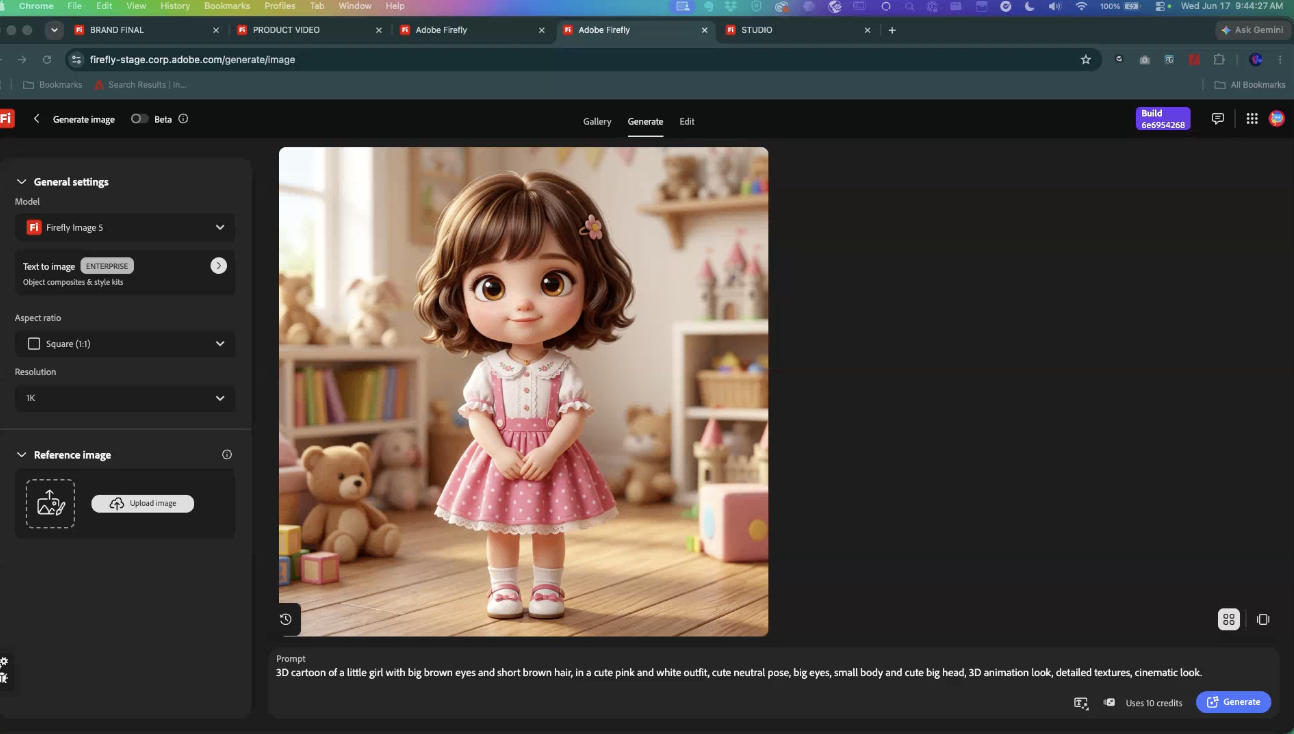 Adobe solves one of AI's most maddening problems amongst a ton of other announcements
Image 1 of 4

(Image credit: Chaos)

(Image credit: Chaos)

(Image credit: Chaos)

(Image credit: Chaos)
Image 1 of 4

Image 2 of 4

Image 3 of 4

Image 4 of 4

While Gaussian Splats have generated plenty of excitement because they're fast to capture, they've often sat a little awkwardly beside traditional CG assets. Chaos is betting that if artists can simply load a scan, throw geometry into it, relight the whole thing and carry on working, Splats stop being a novelty and become just another production asset. It’s not just Chaos, either, as Autodesk also revealed at SIGGRAPH how it’s bringing editable Gaussian Splats into 3ds Max.
Nichols even thinks they'll become part of every location shoot. "I think absolutely," he says when I ask whether filmmakers will eventually capture a splat every time they scout a location. That workflow also explains why Chaos is pushing its real-time ray tracing and rendering tool Vantage so hard, alongside virtual production stage Chaos Arena. Because there’s a gap – many filmmakers don’t need everything Unreal Engine offers; they want a similar virtual production environment but designed and streamlined for filmmaking.
"Vantage is so much easier to use than Unreal," Nichols says. "We have not built Vantage to make games. We built it to actually do production-worthy things."

(Image credit: Chaos)

(Image credit: Chaos)

(Image credit: Chaos)
Image 1 of 3

Image 2 of 3

Image 3 of 3

It's a bold claim considering Unreal's dominance in virtual production, but Nichols' point isn't really about features. Film crews don't necessarily want game engine complexity if all they're trying to do is get a location onto an LED wall and start shooting.
Perhaps the most interesting thing Nichols said all afternoon, though, had nothing to do with rendering, when he told me: "The most important thing about virtual production […] is to have a really good DP who understands how lighting works and is willing to make the LED volume recede into the background where it belongs."
Then he summed up his entire philosophy in one sentence: "If you start to look at the background, then you failed."
For Nichols, the technology shouldn't be the impressive bit about virtual production – and this coming from someone I know loves advances in light technology, rendering and software. His point is clear: the audience shouldn't leave talking about LED walls or real-time rendering or Gaussian Splats; they should be talking about the film.
Visit Chaos for more news on V-Ray and other software.
Ian Dean is Editor, Digital Arts & 3D at Creative Bloq, and the former editor of many leading magazines. These titles included ImagineFX, 3D World and video game titles Play and Official PlayStation Magazine. Ian launched Xbox magazine X360 and edited PlayStation World. For Creative Bloq, Ian combines his experiences to bring the latest news on digital art, VFX and video games and tech, and in his spare time he doodles in Procreate, ArtRage, and Rebelle while finding time to play Xbox and PS5.<\/p>","collapsible":{"enabled":true,"maxHeight":250,"readMoreText":"Read more","readLessText":"Read less"}}), "https://slice.vanilla.futurecdn.net/13-4-25/js/authorBio.js"); } else { console.error('%c FTE ','background: #9306F9; color: #ffffff','no lazy slice hydration function available'); }
 Ian DeanSocial Links NavigationEditor, Digital Arts & 3D
Ian Dean is Editor, Digital Arts & 3D at Creative Bloq, and the former editor of many leading magazines. These titles included ImagineFX, 3D World and video game titles Play and Official PlayStation Magazine. Ian launched Xbox magazine X360 and edited PlayStation World. For Creative Bloq, Ian combines his experiences to bring the latest news on digital art, VFX and video games and tech, and in his spare time he doodles in Procreate, ArtRage, and Rebelle while finding time to play Xbox and PS5.
You must confirm your public display name before commenting
Please logout and then login again, you will then be prompted to enter your display name.














Comments
0 comment